Forensic History and Art
Nutshell Studies of Unexplained Death: Forensic Artistry in Miniature
Baltimore, Maryland, United States
By the Wicked Cool Places editors · Published · Updated
Why it’s cool
These 18 dollhouse-sized death scenes were crafted with obsessive detail to train investigators. They remain vital forensic tools decades after their creation by a pioneering socialite.
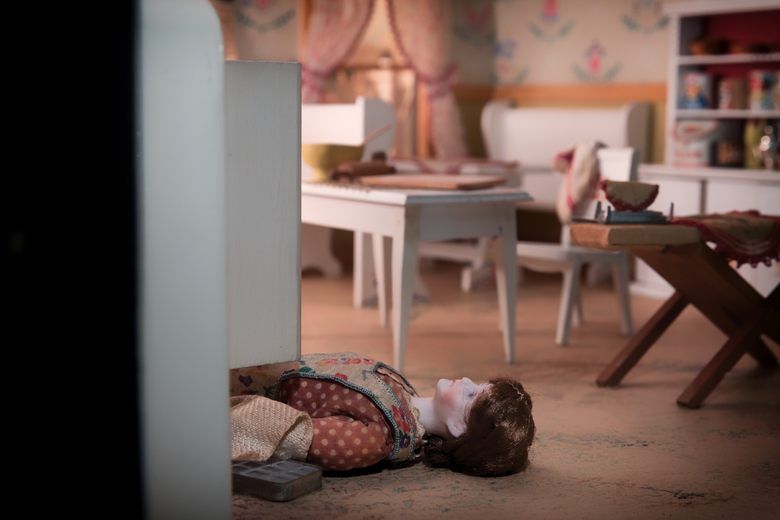
Frances Glessner Lee transformed the world of criminal investigation not through a badge, but through the meticulous construction of miniature rooms. These 18 dioramas, known as the Nutshell Studies of Unexplained Death, were designed to teach investigators how to observe a scene without disturbing the evidence.
By shrinking the chaos of a crime into a controlled, dollhouse-sized environment, Lee pioneered a method of forensic training that remains relevant today. The Edgar Allan Poe National Historic Site also explores themes of mystery and investigation.
Why It Stands Out
The level of craftsmanship found within these small-scale mysteries is staggering. Every element is functional and precise, featuring working light fixtures and tiny locks.
Lee populated these rooms with realistic details (miniature boxes of chocolates, microscopic bullet-holes, and overturned furniture) alongside small figures representing the deceased in various positions. These scenes were based on actual investigations, providing a rigorous challenge for those learning the craft of forensic science.
In the years following their creation, Lee hosted biannual seminars where students would spend 90 minutes examining the dioramas. Equipped with magnifying glasses and flashlights, they were tasked with uncovering the truth hidden within the tiny floorboards.
After Lee passed away in 1962, the collection eventually moved to the Maryland Medical Examiner’s office. A restoration project in the 1990s, costing $50,000, ensured that these forensic treasures would continue to serve as educational assets for future generations of investigators.
Before You Go
The collection is housed within the Maryland Medical Examiner Office in Baltimore. It is important to note that this is an active professional facility, not a traditional museum.
Access is restricted to individuals with specific clearance and is available only by appointment. The office operates from eight in the morning until five in the evening throughout the work week and remains closed on Saturdays and Sundays.
Questions worth answering
Can we just walk in to see the dioramas?
We don't recommend showing up unannounced. This is a working government facility in Baltimore where you'll need an appointment and specific clearance to get past the door.
What's the schedule for visiting?
The office operates from 8 a.m. until 5 p.m. on weekdays. They're closed on Saturdays and Sundays, so plan your request accordingly.
How did these miniature rooms start?
Frances Glessner Lee built these eighteen scenes to teach investigators how to look at evidence. We took our own editorial from there to highlight how her forensic methods are still used today.
Is the craftsmanship as detailed as they say?
The precision is the point. You'll find working lights, tiny locks, and microscopic bullet holes designed to challenge anyone trying to solve these small-scale mysteries.
More in Northeast
All Northeast places →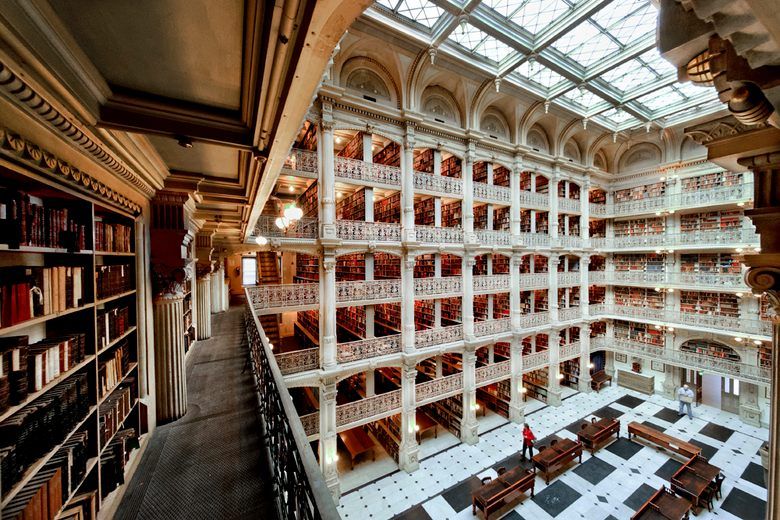
George Peabody Library
Baltimore, Maryland
This 19th-century research library features a breathtaking six-story atrium crowned by a massive skylight, earning its reputation as a "cathedral of books" through its ornate cast-iron balconies and elegant marble floors.
The Witch House of Salem
Salem, Massachusetts
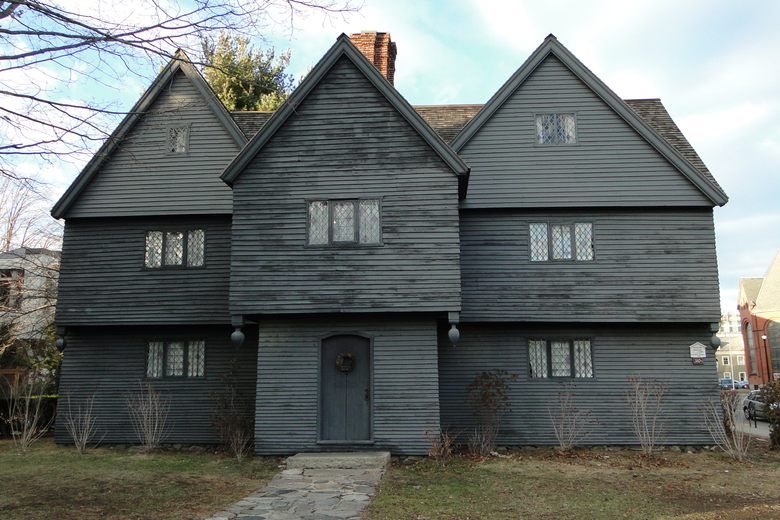
This dark-timbered home is the only surviving building in Salem with a direct connection to the 1692 witch trials, having served as the residence of Judge Jonathan Corwin for four decades.
The Warrens’ Occult Museum
Monroe, Connecticut
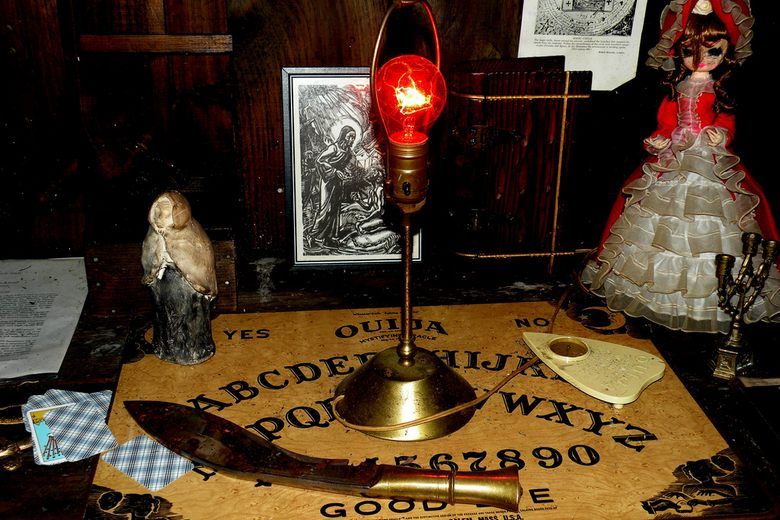
This basement archive houses the cursed relics of Ed and Lorraine Warren’s career, ranging from the notorious Annabelle doll to artifacts from the Amityville and Conjuring hauntings.