Washington, D.C. Landmark
National Capitol Columns: A Discarded Piece of History in the Meadow
Washington, District of Columbia, United States
By the Wicked Cool Places editors · Published · Updated
Why it’s cool
These towering Corinthian pillars once supported the U.S. Capitol’s east portico, witnessing the inaugurations of Lincoln and Jackson before being retired to a quiet, open field.
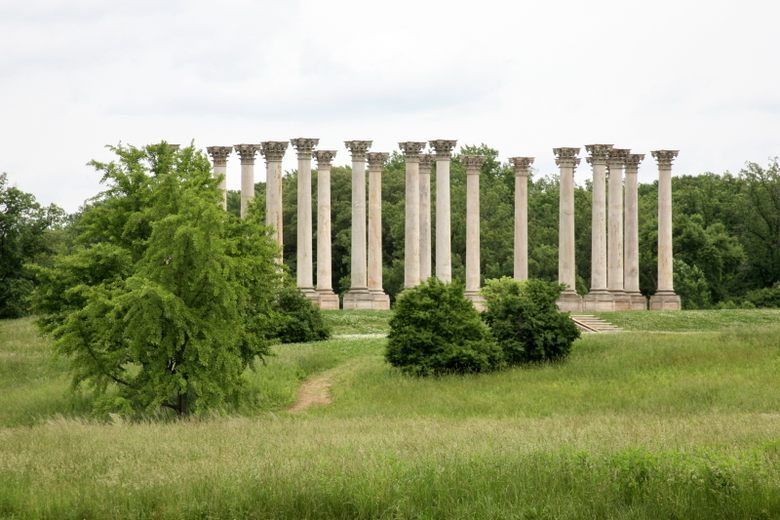
Deep in the heart of the National Arboretum, twenty-two massive sandstone pillars rise from a grassy knoll, creating a scene that feels more like an ancient Greek ruin than a piece of American political history. The National Bonsai Museum is also located within the arboretum grounds.
These are the original Corinthian supports that once framed the United States Capitol, standing as silent witnesses to some of the nation's most pivotal moments.
Why It Stands Out
For over a century, these pillars formed the backbone of the Capitol's east portico. They provided the backdrop for the inaugurations of presidents like Andrew Jackson and Abraham Lincoln.
However, when the Capitol’s massive iron dome was finished in 1864, it became clear that the structure was visually unbalanced. The dome was significantly larger than the original architects had envisioned, making the building appear lopsided.
To fix the aesthetic proportions, an addition was built on the east side in the mid-20th century, and these 1828-era sandstone columns were swapped out for marble replacements. After decades in storage, they were finally relocated to this open meadow in 1984.
Today, they support nothing but the sky, yet they remain in remarkably pristine condition.
Before You Go
The site is located in Northeast D.C., roughly two miles from the Capitol building they once adorned. While the Tidal Basin gets the most attention for spring blooms, the area surrounding these columns offers a spectacular, less-crowded alternative for viewing cherry blossoms.
Visitors can follow a designated path for a self-guided tour that winds through the trees and around the base of the monument. Access is available via entrances on New York Avenue and R Street.
The Catacombs of Washington, D.C. are another historic site found in this part of the city.
Questions worth answering
Why are these pillars standing in the middle of a field?
The Capitol's iron dome ended up being too large for the original design, creating a lopsided look. These twenty-two sandstone supports were removed during a mid-20th-century expansion to fix those proportions and moved here in 1984.
What is the historical significance of these specific columns?
They were part of the east portico starting in 1828. Before their retirement, they served as the backdrop for presidential inaugurations including those of Abraham Lincoln and Andrew Jackson.
How do I find the site within the city?
The grounds are situated in Northeast D.C., about two miles from the Capitol building. You can enter the area through the gates on R Street or New York Avenue.
What is the atmosphere like compared to other D.C. landmarks?
It feels like an ancient ruin despite its American roots. While crowds flock to the Tidal Basin for blossoms, this meadow offers a quieter alternative for seeing spring flowers.
More in Northeast
All Northeast places →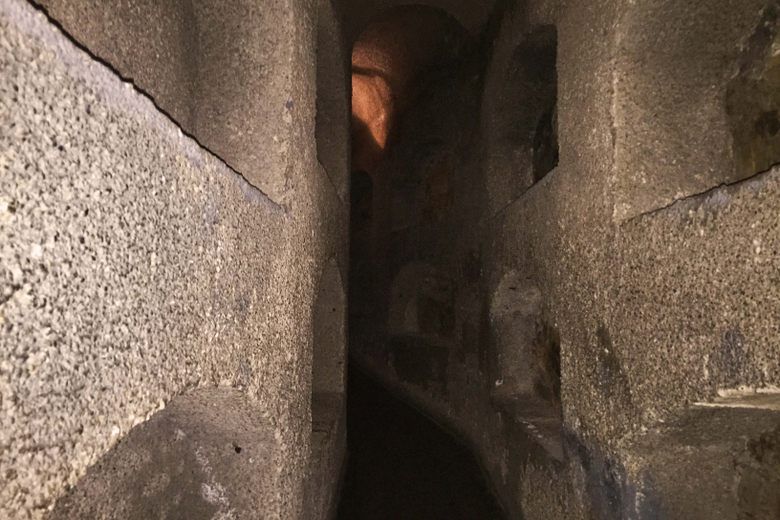
Catacombs of Washington, D.C.
Washington, District of Columbia
These underground passages offer a meticulously crafted surrogate for the Holy Land, built over a century ago to provide a local pilgrimage site for those unable to cross the Atlantic.
The Exorcist Stairs
Washington, District of Columbia
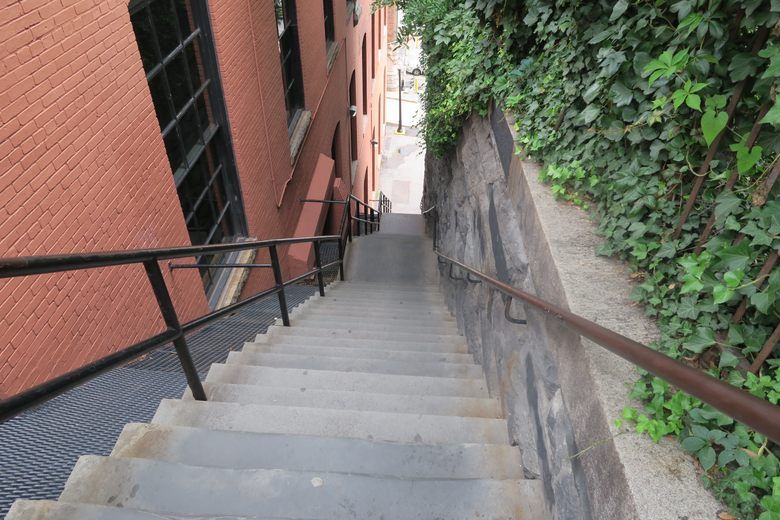
This dizzying staircase in Georgetown is the site of one of horror's most iconic finales. Movie buffs and fitness enthusiasts alike brave the narrow, ivy-choked passage to stand where Father Karras made his final sacrifice.
International Spy Museum
Washington, District of Columbia
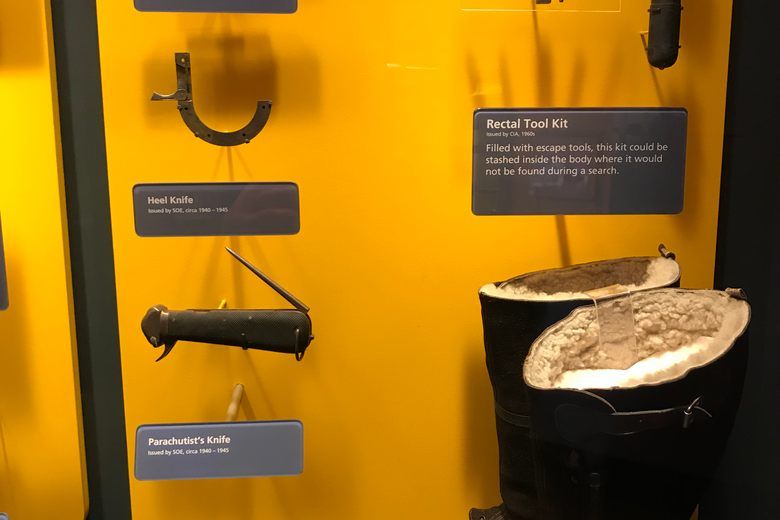
This is espionage told through the actual objects, concealment devices, tradecraft tools, and artifacts that spent years out of public view. It treats spying as a real profession with real consequences, not a movie fantasy.