Philadelphia, Pennsylvania
Mount Moriah Cemetery: Philadelphia's Gothic Ruins Reclaimed by Nature
Philadelphia, Pennsylvania, United States
By the Wicked Cool Places editors · Published · Updated
Why it’s cool
This sprawling Victorian burial ground was left without an owner for years, allowing a massive forest to consume its ornate Gothic tombs and grand Romanesque architecture.
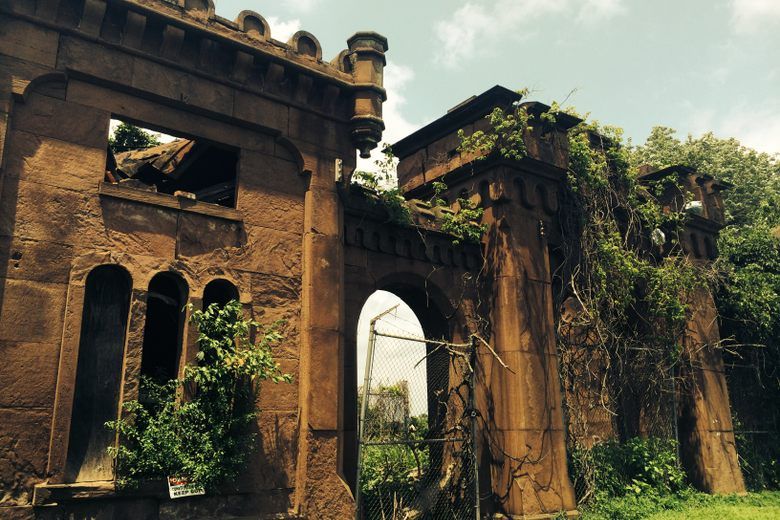
Deep in the heart of Southwest Philadelphia, a massive 400-acre landscape of Victorian mourning is slowly emerging from decades of botanical takeover. Once a rival to the grandest necropolises of Paris and Brooklyn, Mount Moriah Cemetery spent years in a state of legal and physical limbo, left to the whims of the encroaching forest after its governing association dissolved.
Why It Stands Out
Established in 1855, this site eventually became the largest burial ground in Pennsylvania. Its architecture was designed to impress, featuring a monumental Romanesque brick entrance and intricate Gothic mausoleums that housed the city’s elite.
However, the cemetery's most fascinating chapter began when it became essentially ownerless. After the last member of its governing board passed away, the grounds fell into a period of total neglect.
Today, the site offers a haunting visual experience that feels more like an archaeological dig than a modern graveyard. Toppled headstones and crumbling monuments are tangled in vines, creating a gothic fairytale atmosphere.
A comparable atmosphere exists at The Witch’s Castle. In some sections, the decay is so advanced that the crumbling stone structures resemble the ruins of an ancient civilization rather than a 19th-century American cemetery.
Similar gothic decay can be seen at the Roosevelt Island Smallpox Hospital Ruins. It is a rare example of what happens when a massive urban space is simply handed back to nature.
Before You Go
While the cemetery was once a nearly impassable thicket, dedicated restoration efforts have changed the landscape. A local non-profit, the Friends of Mount Moriah Cemetery, has spent years clearing weeds and carving out pathways through the dense growth.
As of recent years, approximately 60 to 70 percent of the grounds have been cleared and made safe for public visitation. Visitors should still expect some uneven terrain and overgrown areas, as reclaiming 400 acres of forest remains a massive, ongoing project.
Questions worth answering
What happened to make this place look so overgrown?
After the governing association dissolved, the 400-acre site spent years without an owner. This legal limbo let the forest take over the Victorian tombs and Romanesque brickwork.
Is it actually safe to walk through the grounds now?
A local non-profit has cleared roughly 60 to 70 percent of the land for visitors. You'll still find uneven ground and thickets, as the restoration is a work in progress.
What kind of atmosphere should we expect?
It feels less like a modern graveyard and more like an archaeological find. The crumbling stone and tangled vines create a gothic mood reminiscent of an ancient civilization's ruins.
How large is the site and what kind of architecture will we see there?
We'll find 400 acres of Victorian grounds featuring a massive Romanesque brick entrance and Gothic mausoleums. It's the largest burial site in the state, though many of the stone structures now look like ancient ruins.
More in Northeast
All Northeast places →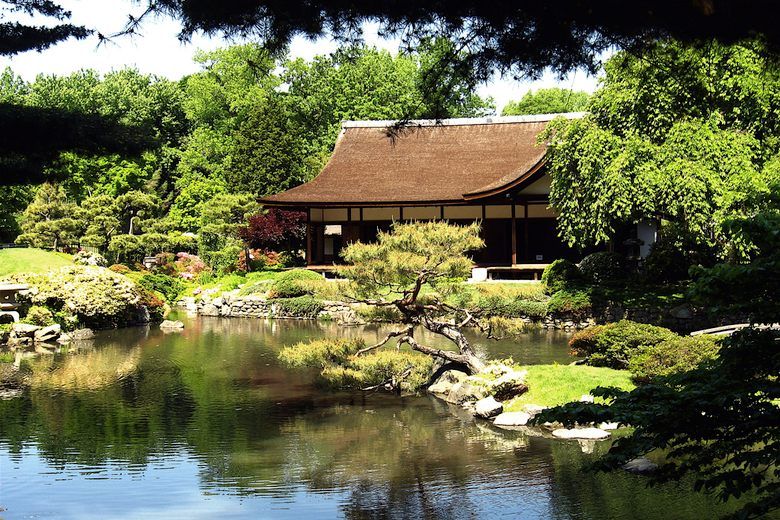
Shofuso Japanese House and Garden
Philadelphia, Pennsylvania
This authentic shoin-zukuri villa traveled from Nagoya to New York's MoMA before finding its permanent home in Philadelphia, offering a rare look at traditional Japanese architecture and modern Nihonga murals.
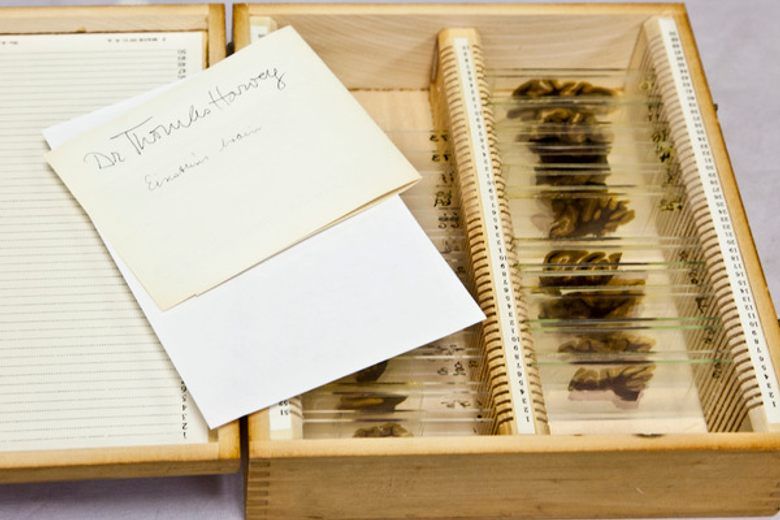
Mütter Museum
Philadelphia, Pennsylvania
This Philadelphia landmark preserves the most famous anatomical anomalies in history, from the remains of Albert Einstein to thousands of items retrieved from human throats.
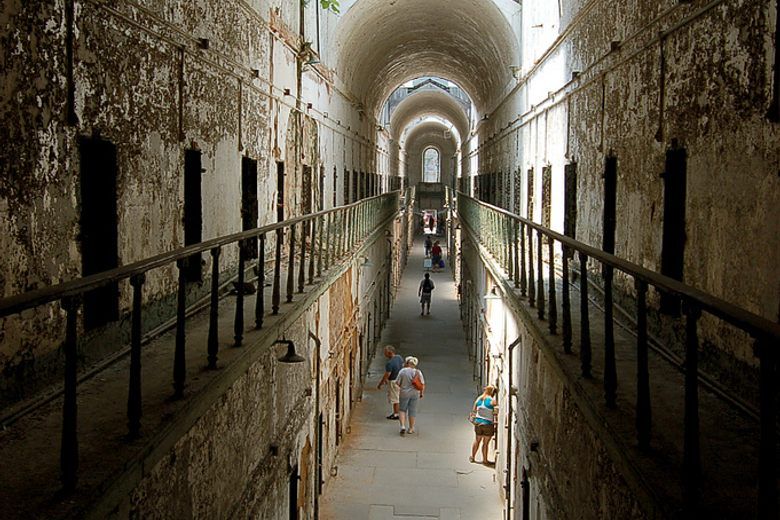
Eastern State Penitentiary
Philadelphia, Pennsylvania
This massive stone fortress pioneered the penitentiary model, trading physical brutality for absolute silence and isolation. While it offered modern luxuries like private toilets, its psychological toll was so severe it famously horrified Charles Dickens.