Indianapolis, Indiana
Market Street Catacombs: The Subterranean Maze of Old Indianapolis
Indianapolis, Indiana, United States
By the Wicked Cool Places editors · Published · Updated
Why it’s cool
This massive 20,000-square-foot labyrinth of brick archways is one of the few remaining subterranean market networks in the United States, offering a rare glimpse into pre-refrigeration food logistics.
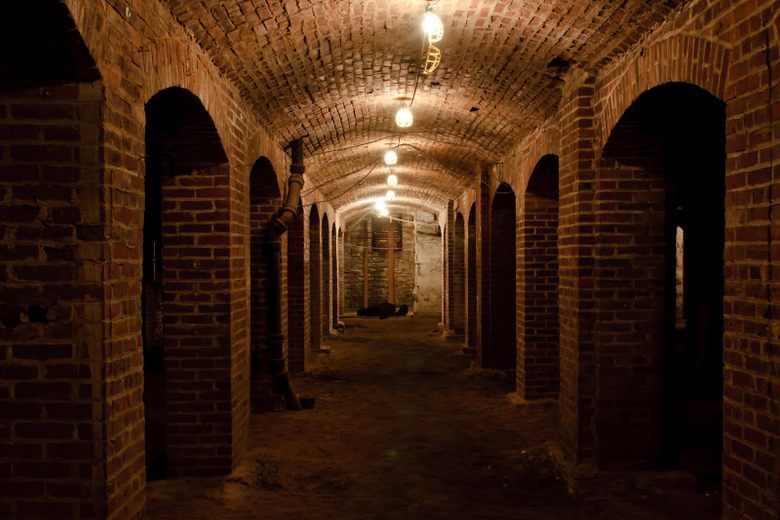
While modern commuters grab coffee and sandwiches in the historic City Market, a 20,000-square-foot labyrinth of 19th-century architecture sits quietly beneath their feet. These are the Market Street Catacombs, a sprawling network of limestone and brick that once served as the city’s massive, naturally chilled pantry.
Why It Stands Out
Dating back to the late 1880s, these tunnels were never meant for the dead, but for the sustenance of the living. Before the invention of modern refrigeration, the subterranean temperature remained significantly lower than the humid Indiana streets above.
This allowed vendors to store meat and fresh produce overnight, keeping inventory fresh for the next day's trade. The site is a structural marvel of its era, defined by rows of repeating brick arches and sturdy limestone foundations.
While time has caused some sections to crumble, much of the original masonry remains remarkably intact. It is a rare survivor of urban development; experts estimate that only about a dozen similar catacomb systems still exist across the United States.
Another example of a forgotten subterranean passage is The Ramble Cave. For decades, this underground maze was a well-kept secret, accessible only to those with special permission or keys to the market’s basement.
Other cities feature similar hidden infrastructure, such as The Dupont Underground.
Before You Go
The catacombs are currently entering a new chapter. As of April 2025, the site is closed to the public while the City Market undergoes a major redevelopment.
Future plans involve transforming the area into an open-air park, integrating these historic ruins into a modern public space. Historically, when the site is active, public access is managed through guided tours.
These typically occur on the first and third Saturdays of the month during the warmer seasons, specifically from May through October. During the autumn months, the space has also been known to host special events, including art installations and seasonal celebrations.
Prospective visitors should check for updates on the renovation progress and ticket availability through local preservation organizations.
Questions worth answering
What's the purpose of this underground brick network?
These passages functioned as a giant, naturally cooled cellar for the city's food supply in the late 1880s. Before electric cooling existed, the lower temperatures here protected meat and produce from the Indiana humidity.
Can I walk through the tunnels right now?
The site is currently off-limits due to a large-scale redevelopment project starting in April 2025. Once the work finishes, the ruins will be part of a new public park.
What's the typical schedule for a visit?
When the doors aren't locked for construction, tours usually run from May until October. These walks happen on the first and third Saturdays of those months.
How did these tunnels keep food from spoiling?
The limestone and brick architecture maintained a naturally low temperature that was cooler than the humid streets above. This allowed 19th-century vendors to store their meat and produce overnight before modern refrigeration existed.
More in Midwest
All Midwest places →
House on the Rock
Spring Green, Wisconsin
Perched atop a 60-foot sandstone chimney, this architectural fever dream houses an overwhelming collection of oddities, including a record-breaking carousel and thousands of flickering lights.
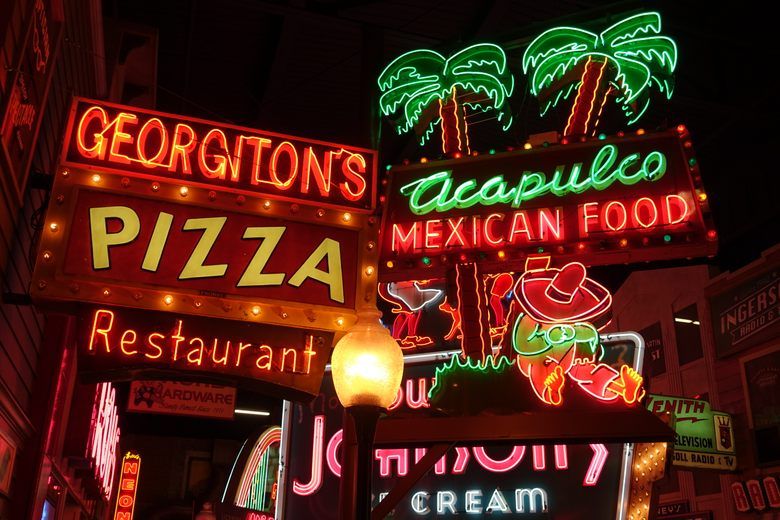
American Sign Museum
Cincinnati, Ohio
This sprawling warehouse preserves the glowing heritage of American commerce, showcasing a faux Main Street lined with everything from pre-neon wood carvings to space-age Sputnik designs.
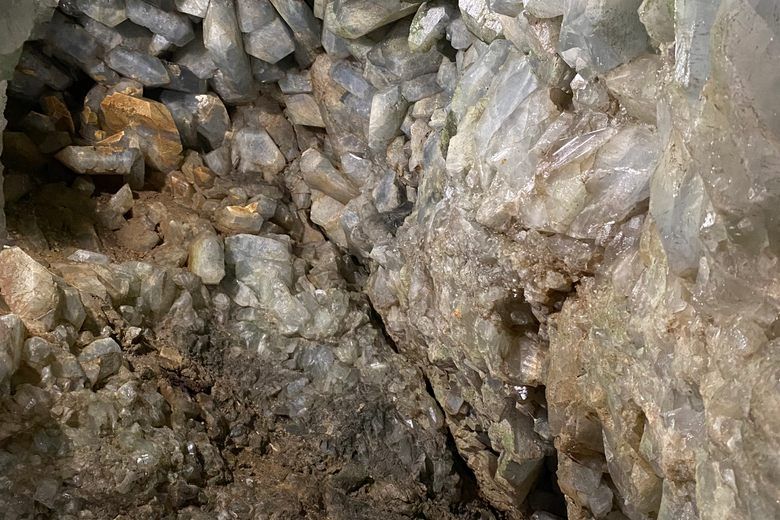
Crystal Cave
Put-in-Bay, Ohio
This isn't just a cave; it's the interior of a single, massive rock. As the largest geode ever discovered, it offers a rare chance to stand inside a crystal-lined 'vug' while visiting a historic island winery.