Hidden Manhattan History
The Ramble Cave: Central Park's Sealed Underground Passage
New York, New York, United States
By the Wicked Cool Places editors · Published · Updated
Why it’s cool
This forgotten subterranean passage was accidentally unearthed during the park's construction and became a beloved, then notorious, landmark before being bricked up and buried.
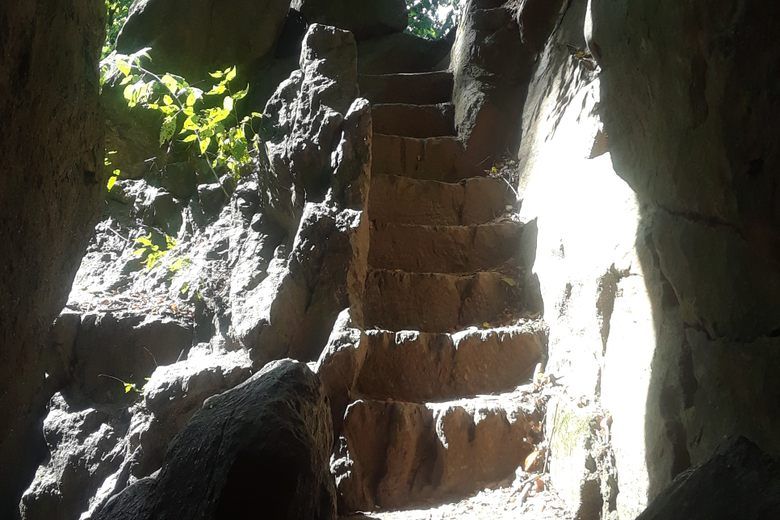
Central Park’s Ramble is designed to feel like a wild, unscripted forest, but this rustic landscape is actually a meticulously crafted masterpiece. While architects Frederick Law Olmsted and Calvert Vaux planned every tree and path, they didn't account for what lay beneath the soil.
Tucked away near the 79th Street Traverse is a remnant of the park's early years: a subterranean grotto that was eventually deemed too troublesome for public access.
Why It Stands Out
The cavern wasn't part of the original "Greensward Plan." It was revealed by accident during the 19th-century construction of the park when workers began excavating a massive deposit of fertile soil, or ‘mould,’ from a bay on the northern edge of The Lake. As the earth was cleared away, a thirty-foot cavity appeared, sloping upward from the water toward the Ramble Arch.
To maintain the park’s aesthetic, the designers added granite boulders and stone steps to make the accidental discovery look like a natural geological feature. The Old Zoo Picnic Area also features historic stone grottos within a public park.
For decades, the site was a magnet for explorers. Victorian-era guidebooks praised it as a delight for children, and it later earned the nickname "Indian Cave," despite a lack of evidence regarding Native American use.
However, the cave’s secluded nature eventually drew a different crowd. In 1904, it became the site of a high-profile shooting involving a man named Samuel L.
Dana. By 1929, the area was notorious enough that 335 men were arrested in the park that year for harassing park visitors, with the cave cited as a frequent trouble spot.
To curb these issues, the city sealed the cave in the 1930s. They bricked up the lakeside entrance and buried the upper opening under layers of dirt, effectively erasing it from the modern landscape.
The Cave of Kelpius is another secluded stone chamber with a storied past.
Before You Go
While the interior is no longer accessible, the stone steps leading down to the water still remain. You can find these remnants on the western side of the Ramble, situated just below the Ramble Arch.
Look toward the northwest corner of The Lake, specifically the second small bay, where the hidden staircase still hugs the shoreline.
Questions worth answering
What's the story behind the discovery of this cavern?
Construction crews found the thirty-foot hole while digging for soil during the park's creation. Designers Olmsted and Vaux hadn't planned for it, so they added granite and stone to make the gap look intentional.
Why can't we go inside the passage anymore?
The city chose to seal the entrances during the 1930s to stop illicit activity. After a 1904 shooting and hundreds of arrests for harassment, they used bricks and dirt to hide the openings.
Is there anything left to see at the site?
You can still find the original stone steps that lead toward the water. They're located on the shoreline of the second small bay, tucked below the Ramble Arch.
Where exactly should we look for the entrance remnants?
Head to the western side of the Ramble and find the second small bay at the northwest corner of The Lake. You'll see the original stone steps leading toward the water just below the Ramble Arch.
More in Northeast
All Northeast places →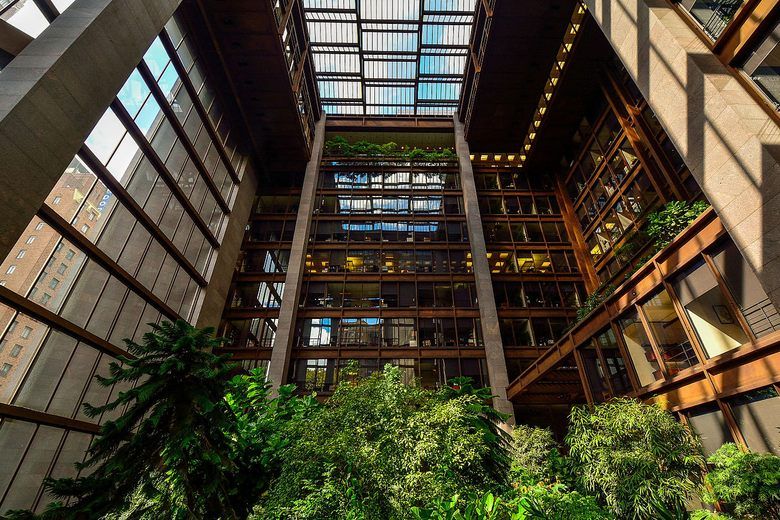
New York's Hidden Tropical Forest
New York, New York
This architectural marvel houses a soaring, twelve-story tropical ecosystem inside a steel-and-glass headquarters. It offers a humid, verdant escape where rainwater and steam sustain a thriving forest in the heart of the city.
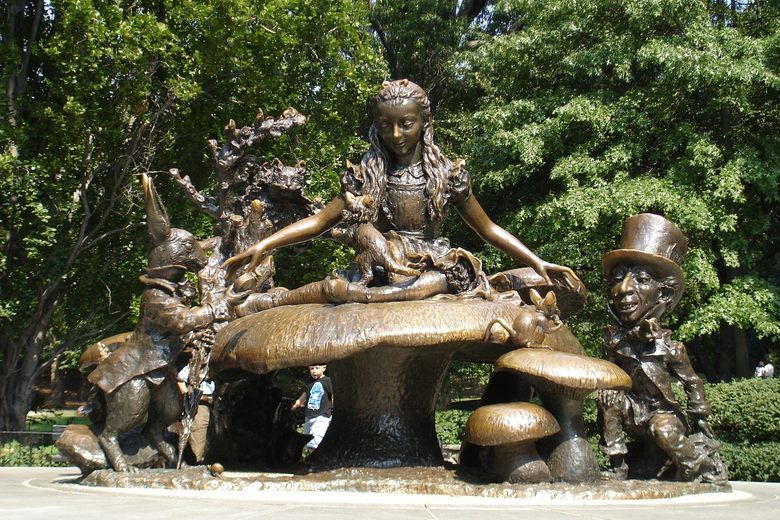
Alice in Wonderland Statue
New York, New York
This interactive bronze sculpture invites children to literally climb into Lewis Carroll's world, featuring a Mad Hatter modeled after the monument's benefactor.
Greenacre Park
New York, New York
This pocket park offers a rare moment of serenity in the heart of Manhattan, where the roar of a cascading waterfall drowns out the surrounding city traffic.