Florida Freshwater Sanctuary
Manatee Springs State Park: A First-Magnitude Freshwater Sanctuary
Chiefland, Florida, United States
By the Wicked Cool Places editors · Published · Updated
Why it’s cool
Each winter, this first-magnitude spring becomes a vital thermal sanctuary for manatees seeking warmth. Visitors can witness these gentle giants grazing on river grasses or explore the massive underwater cave systems that feed the crystal-clear run.
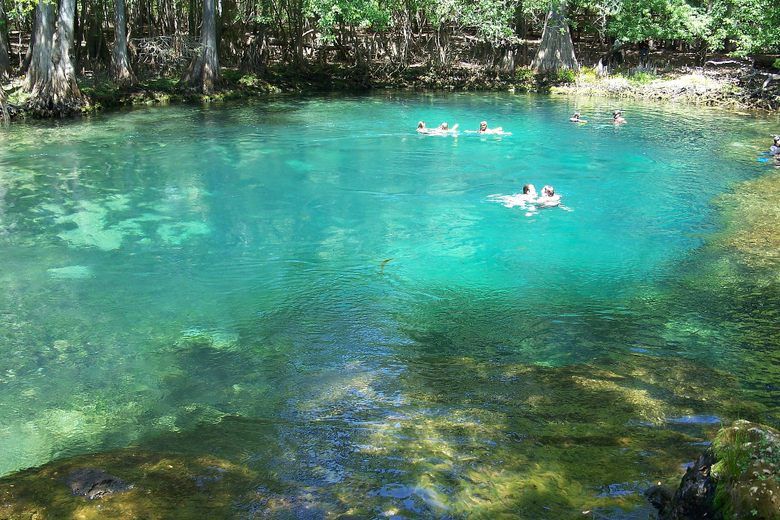
Deep in the heart of Florida's Nature Coast, a massive subterranean river surges to the surface, pouring out roughly 100 million gallons of crystal-clear water every single day. The spring is a natural highlight of the Chiefland area.
This is Manatee Springs, a first-magnitude geological wonder that has served as a life-sustaining oasis for over ten millennia. While the name might sound like a marketing gimmick, it actually stems from an 18th-century discovery by naturalist William Bartram, and today, the park remains one of the most critical warm-water refuges for Florida’s iconic marine mammals.
Why It Stands Out
The spring stays a consistent 72 degrees Fahrenheit year-round, creating a perfect thermal pocket when the surrounding Gulf of Mexico waters turn chilly. Because manatees have surprisingly low body fat, they flock here during the winter months to survive.
The riverbed is a lush buffet of grassy kelp, which these gentle giants graze on while nursing their calves in the shallow, protected run. For human visitors, the park offers a rare glimpse into a prehistoric landscape.
Evidence of Paleo-Indian settlements dating back 9,000 years has been found here, proving that the allure of these sapphire waters predates modern history by eons. Beyond the wildlife, the site is a magnet for adventure seekers.
An 800-foot boardwalk winds through a dense canopy of ancient cypress trees, leading to the Suwannee River. Beneath the surface, the spring system connects to a labyrinth of underwater caves, making it a premier destination for certified cave divers.
For those who prefer to stay on land, the park features over eight miles of nature trails that link up with the expansive 32-mile Nature Coast State Trail, perfect for long-distance cycling or hiking.
Before You Go
If you are visiting during the winter, keep in mind that the spring run is closed to motorized boat traffic to ensure the manatees aren't disturbed. However, you can still launch a kayak or canoe to see them up close, just remember that these curious creatures often approach boats on their own terms.
Swimming is permitted year-round, though the water can feel bracingly cool on a hot summer day and surprisingly warm on a frosty winter morning. Travelers who enjoy spring-fed waters might also appreciate the Venetian Pool.
Be sure to pack high-quality insect repellent, as the surrounding wetlands are home to a very active bug population. This lush landscape is a hallmark of the Southeast region.
Questions worth answering
When's the best time to see the manatees?
Winter is your best bet because these animals need the 72-degree water to survive when the Gulf gets cold. They spend the season nursing calves and eating river grasses in the shallow areas.
Is it possible to explore the water without a boat?
You can swim in the spring year-round, though it feels quite different depending on the air temperature. Certified cave divers also use the site to access an extensive network of tunnels hidden beneath the surface.
What should we prepare for before arriving?
The wetlands are full of insects, so bringing strong repellent isn't optional. If you're driving, entry costs six dollars for a standard vehicle with up to eight people.
How did this place get its name?
William Bartram, a naturalist, named the area in the 1700s. Our own editorial from there notes that people have actually been drawn to these waters for at least 9,000 years.
More in Southeast
All Southeast places →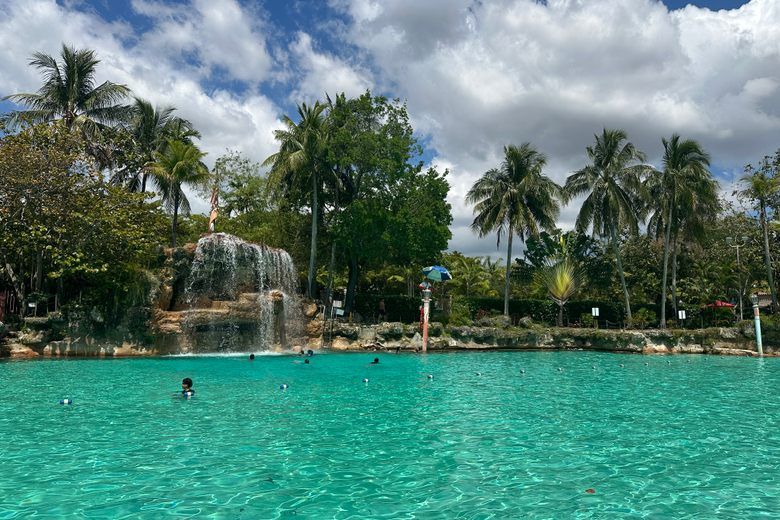
Venetian Pool
Coral Gables, Florida
This massive freshwater basin was carved from a 1920s coral quarry and features natural grottoes, scenic bridges, and a daily replenishment system using artesian spring water.
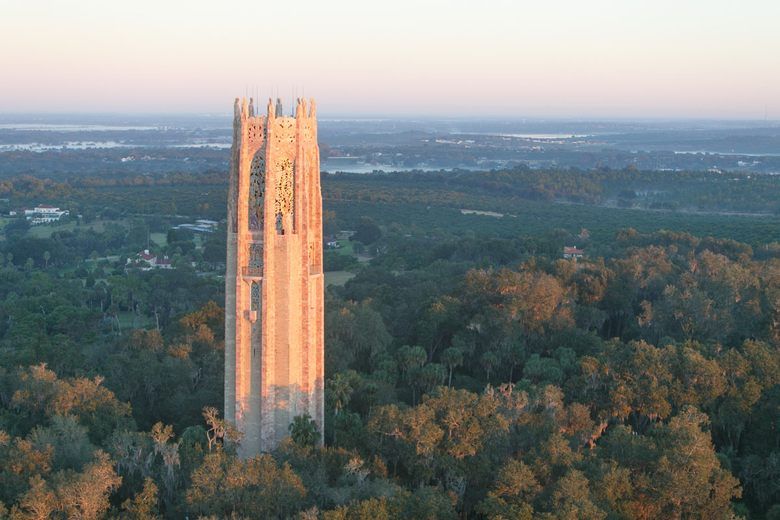
Bok Tower Gardens
Lake Wales, Florida
Perched on one of Florida’s highest peaks, this sanctuary features a 60-bell carillon housed in a stunning Art Deco tower. It blends world-class landscape architecture with a unique musical library and daily bell concerts.
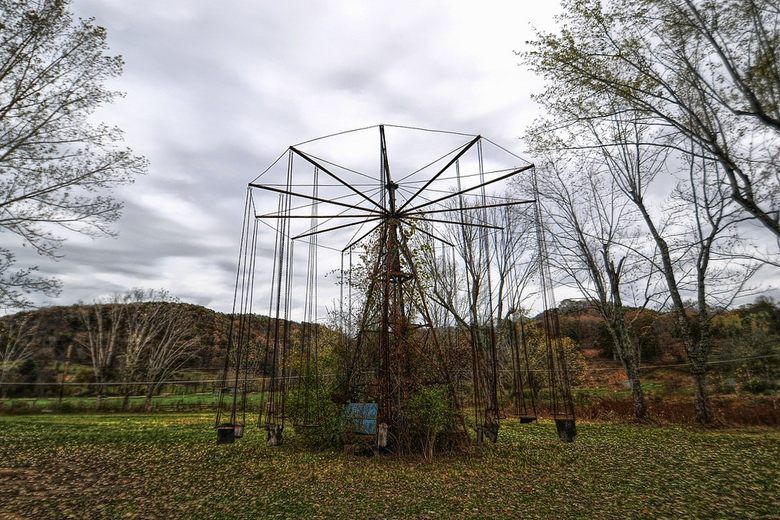
Lake Shawnee Amusement Park
Rock, West Virginia
This decaying fairground sits atop a site of tragic 18th-century conflict, blending the skeletal remains of 1920s carnival rides with a heavy, haunted legacy.