Historic Philadelphia Prison
Eastern State Penitentiary: The World's First True Reformatory
Philadelphia, Pennsylvania, United States
By the Wicked Cool Places editors · Published · Updated
Why it’s cool
This massive stone fortress pioneered the penitentiary model, trading physical brutality for absolute silence and isolation. While it offered modern luxuries like private toilets, its psychological toll was so severe it famously horrified Charles Dickens.
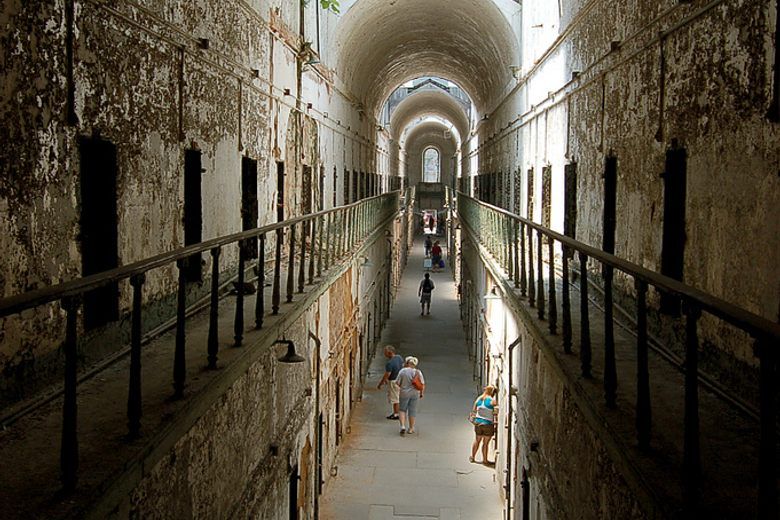
Rising like a medieval fortress amidst the urban grid of Philadelphia, this massive stone structure was never intended for royalty. Instead, it was the site of a radical social experiment.
When it opened in 1829, Eastern State Penitentiary was the most expensive and technologically advanced building of its time, designed not just to punish, but to encourage genuine spiritual regret, hence the name "penitentiary."
Why It Stands Out
In an era when the White House lacked indoor plumbing, prisoners here enjoyed private toilets, central heating, and individual skylights meant to represent the "Eye of God." However, these comforts came at a heavy psychological cost. The facility operated under the "separate system," where inmates lived in total isolation.
They ate alone, exercised in private yards, and were forbidden from speaking. To ensure absolute quiet, guards wore felt covers over their shoes, and prisoners were forced to wear hoods whenever they left their cells to prevent them from seeing a human face.
This experiment in total solitude eventually drew international criticism. During an 1842 visit, Charles Dickens denounced the system as a form of mental torture far worse than physical violence.
The nearby Mütter Museum also explores the history of human suffering and science. Despite its high-minded beginnings, the prison eventually succumbed to overcrowding and transitioned to a more traditional communal model.
Before closing its doors in 1971, the facility housed notorious figures like bank robber Willie Sutton and Al Capone; the latter famously occupied a cell outfitted with fine furniture, oil paintings, and a radio. Today, the building is preserved in a state of "magnificent decay," with peeling paint and crumbling masonry providing a stark backdrop to its grim history.
Another historic location with a dark atmosphere is the Edgar Allan Poe National Historic Site.
Before You Go
The site is open for public tours and is best experienced through the self-guided audio program, which features narration by Steve Buscemi and interviews with former guards and inmates. Because the building is kept in a semi-ruined state, it can be quite cold in the winter; seasonal "Winter Adventure" tours are available for those who don't mind the chill.
Throughout the year, the penitentiary also hosts unique events, including a Bastille Day festival and a popular haunted attraction during the Halloween season.
Questions worth answering
What was the actual goal of the isolation policy?
The founders believed absolute silence would lead to spiritual regret. They even forced inmates to wear hoods so no human faces were ever visible.
How did the living conditions compare to other buildings in the 1800s?
It was more advanced than the White House at the time. Cells featured central heating and private toilets long before those became standard elsewhere.
Is there a specific way we should explore the grounds?
We recommend the audio tour narrated by Steve Buscemi. It includes accounts from people who actually lived and worked behind these stone walls.
What should we expect from the atmosphere inside?
The site is kept in a state of decay with crumbling walls and peeling paint. It gets very cold during the winter months, so dress for the temperature.
More in Northeast
All Northeast places →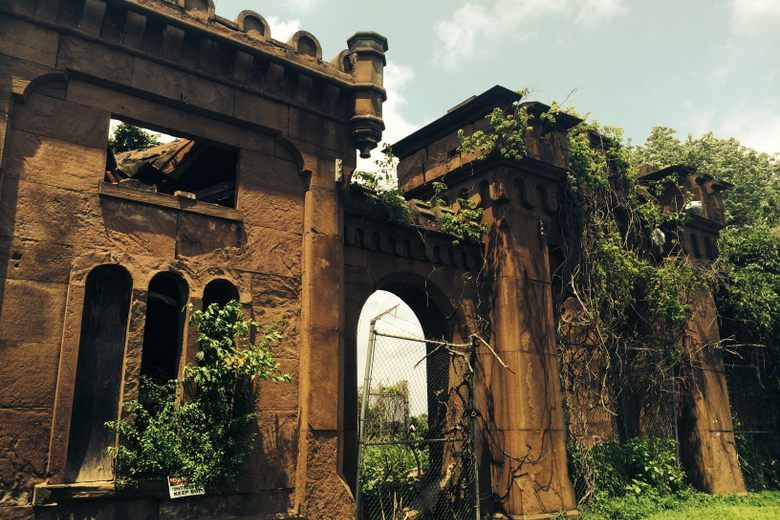
Mount Moriah Cemetery
Philadelphia, Pennsylvania
This sprawling Victorian burial ground was left without an owner for years, allowing a massive forest to consume its ornate Gothic tombs and grand Romanesque architecture.
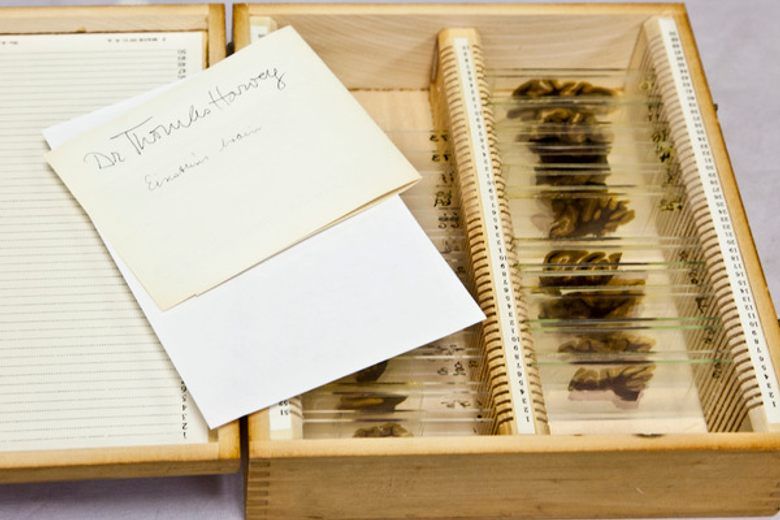
Mütter Museum
Philadelphia, Pennsylvania
This Philadelphia landmark preserves the most famous anatomical anomalies in history, from the remains of Albert Einstein to thousands of items retrieved from human throats.
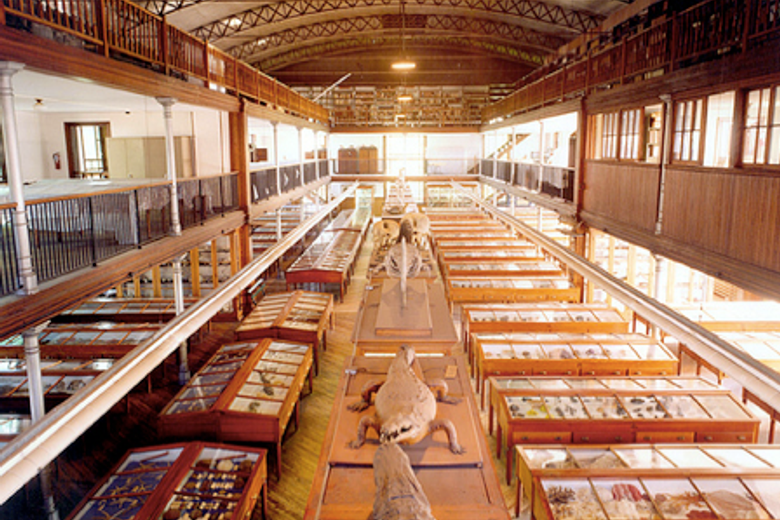
Wagner Free Institute
Philadelphia, Pennsylvania
This Victorian science museum has remained virtually untouched since 1891, offering a rare look at natural history through original rosewood cases and Darwinian-inspired arrangements.