Remote Florida Keys Outpost
Dry Tortugas: A Massive Brick Fortress in the Middle of the Sea
Key West, Florida, United States
By the Wicked Cool Places editors · Published · Updated
Why it’s cool
This isolated archipelago features a colossal, unfinished hexagonal fortress built from 16 million bricks and surrounded by a "ship trap" graveyard of 17th-century wrecks.
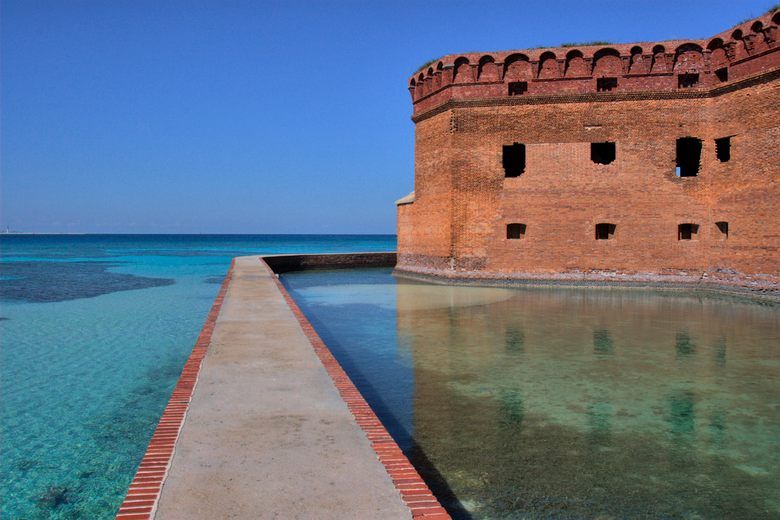
Seventy miles past the end of the Florida Keys, where the Atlantic meets the Gulf of Mexico, sits a massive hexagonal anomaly rising from the turquoise water. This is the Dry Tortugas, a cluster of coral islands first charted by Juan Ponce de Leon in 1513.
Originally named for the abundance of sea turtles that provided sustenance for early explorers, the "Dry" prefix was later added as a grim warning to sailors that these islands held no natural source of fresh water. Today, the site remains one of the most secluded and hauntingly beautiful outposts in the American National Park system.
Why It Stands Out
The defining feature of the islands is Fort Jefferson, a staggering architectural feat that utilized over 16 million bricks. Construction began in 1847 to secure the Gulf Coast against piracy, but the project spanned thirty years and was never truly finished.
Despite its incomplete state, the fort is one of the largest masonry structures in the world, featuring a 70-foot-wide moat and walls designed to house hundreds of heavy guns. Beyond the brickwork, the surrounding waters earned a reputation as a "ship trap" due to treacherous weather and seasonal shallows.
The seafloor here is a maritime graveyard, preserving 17th-century vessel remains, antique glassware, and rusted cannons. Such deep-sea mysteries are also a focus of the International Cryptozoology Museum.
The fort also served a darker purpose as a Civil War-era prison. Its most notable resident was Dr.
Samuel Mudd, the physician who treated John Wilkes Booth after the assassination of Abraham Lincoln. Mudd was eventually pardoned after he heroically stepped in to treat a yellow fever outbreak that killed the fort's primary doctor.
Before You Go
Reaching this remote destination requires a seaplane or a ferry from Key West. While the boat ride is scenic, the seaplane offers a unique vantage point to spot sea turtles and sharks in the clear water below.
The environment is rugged; the sand can become extremely hot, and the historic masonry of the fort includes uneven stone surfaces, so sturdy closed-toe footwear is essential. Visitors are generally free to explore most of the grounds, provided they steer clear of active preservation zones.
Questions worth answering
How do we actually get to a fortress seventy miles out at sea?
You'll need to book a ferry or a seaplane from Key West. We suggest the plane if you want to spot sharks and sea turtles from above before landing.
Is the fort just a pile of old bricks?
It's a hexagonal structure made of 16 million bricks that served as a Civil War prison for Dr. Samuel Mudd. The site also overlooks a maritime graveyard of 17th-century shipwrecks and rusted cannons.
What should we wear for a day on the islands?
Don't show up in flip-flops. The sand gets incredibly hot and the fort's masonry is full of uneven stone and potential hazards, so you'll want sturdy closed-toe shoes.
Why is this place called Dry Tortugas if it is surrounded by water?
Ponce de Leon named the islands for their turtles, but sailors added the dry part as a warning. There isn't any natural fresh water available on these coral islands.
More in Southeast
All Southeast places →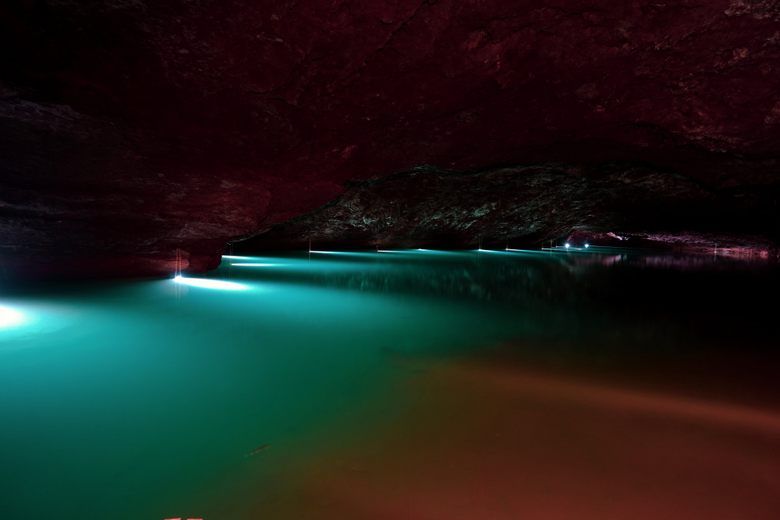
Lost Sea
Sweetwater, Tennessee
Deep within a Tennessee hillside lies a record-breaking four-acre lake where visitors can navigate glassy waters and spot rare mineral formations known as cave flowers.
Mammoth Cave
Mammoth Cave, Kentucky
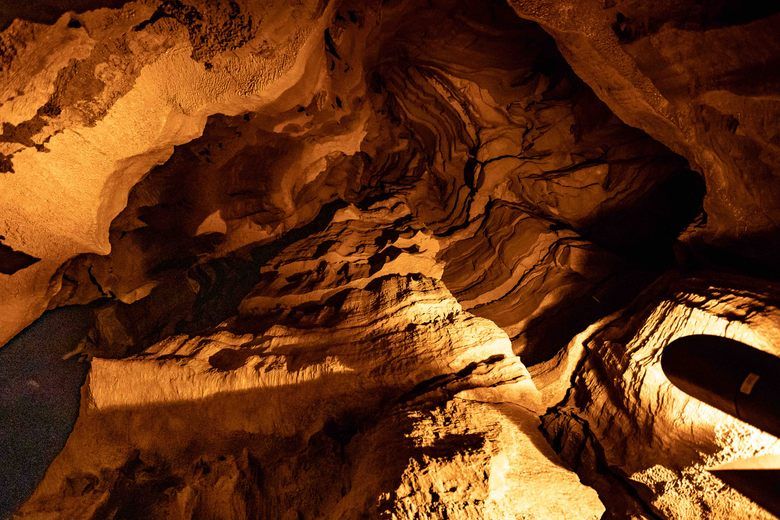
Holding the title of the world's longest cave system, this Kentucky marvel features over 400 miles of surveyed tunnels, ancient Native American history, and haunting 19th-century ruins hidden deep beneath the earth.
The Bell Witch Cave
Adams, Tennessee
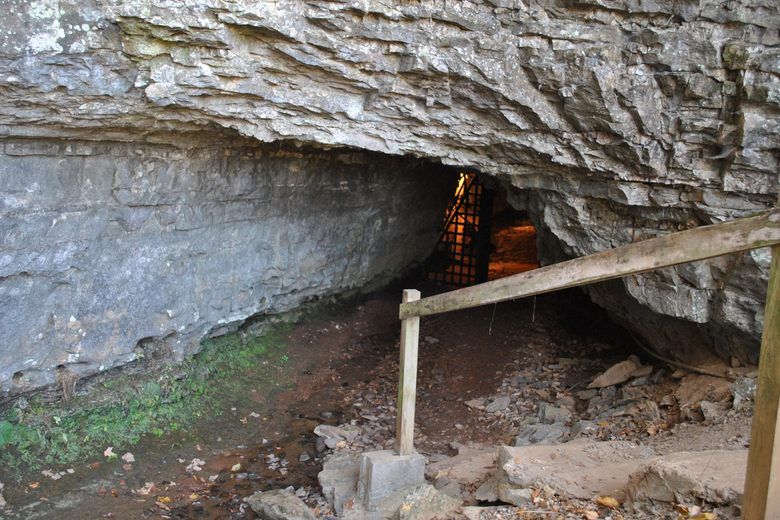
This eerie karst cavern is the legendary lair of Kate, a notorious spirit from Southern folklore who famously tormented a pioneer family and supposedly frightened a future U.S. president.