Pennsylvania Ghost Town
Centralia: The Pennsylvania Town Consumed by Underground Fire
Aristes, Pennsylvania, United States
By the Wicked Cool Places editors · Published · Updated
Why it’s cool
This former mining hub sits atop a subterranean coal fire that has burned since 1962, turning a once-thriving community into a grid of empty streets reclaimed by nature.
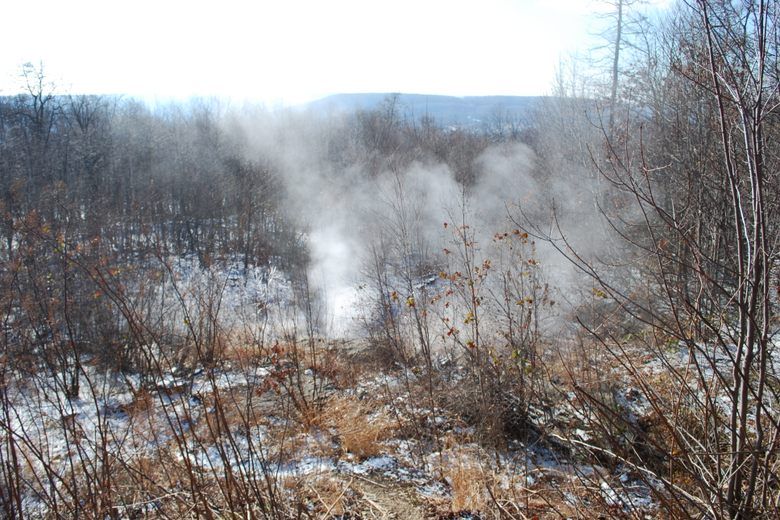
Deep beneath the soil of Columbia County, a slow-burning disaster has been unfolding for more than sixty years. What looks like a quiet patch of rural Pennsylvania is actually the site of an unstoppable subterranean inferno.
The ground here is not just earth; it is a lid on a massive coal vein that caught fire in 1962 and has defied every attempt at containment ever since.
Why It Stands Out
The history of Centralia shifted from a mining tragedy to a national emergency in 1981. That year, the instability of the burning ground became terrifyingly literal when a young resident was nearly swallowed by a 150-foot-deep sinkhole that opened in his own backyard.
By the mid-1980s, the federal government began a massive relocation project, eventually leading to the town's total condemnation in 1992. Today, most of the original structures are gone, leaving behind a surreal grid of paved streets that lead nowhere.
Other parts of the region feature more vibrant urban spaces like Philadelphia's Magic Gardens. These roads cut through fields and young forests where houses once stood, creating a skeletal map of a community that was forced to vanish.
While the population plummeted, a tiny handful of residents famously refused to leave, maintaining their homes even as the surrounding landscape succumbed to smoke and decay.
Before You Go
Visitors should manage their expectations, as the town is largely an empty landscape. The famous "graffiti highway," once a major draw for photographers, has been permanently buried under dirt and is no longer visible.
Aside from the local cemeteries and the buckled, heat-damaged pavement, there are no amenities or remaining businesses. It is also important to note that local law enforcement has been known to patrol the area and move visitors along.
Please remain respectful of the few individuals who still reside in the town and avoid trespassing on private property.
Questions worth answering
What happened to the town's population?
Most people took a federal relocation deal in the eighties after the ground started opening up. A few residents stayed behind in their houses, though the town was officially condemned in 1992.
Can we still see the famous painted road?
The stretch known as graffiti highway is gone. It was buried under a layer of dirt and you can't see it anymore.
What should we expect to find on the ground?
It's mostly a grid of empty streets where nature is taking over. You'll find some cemeteries and pavement damaged by heat, but there aren't any shops or buildings left to visit.
Where did this report originate?
We used a Centralia entry as our starting point and built our own editorial from there. The story began with a coal fire that started burning back in 1962.
More in Northeast
All Northeast places →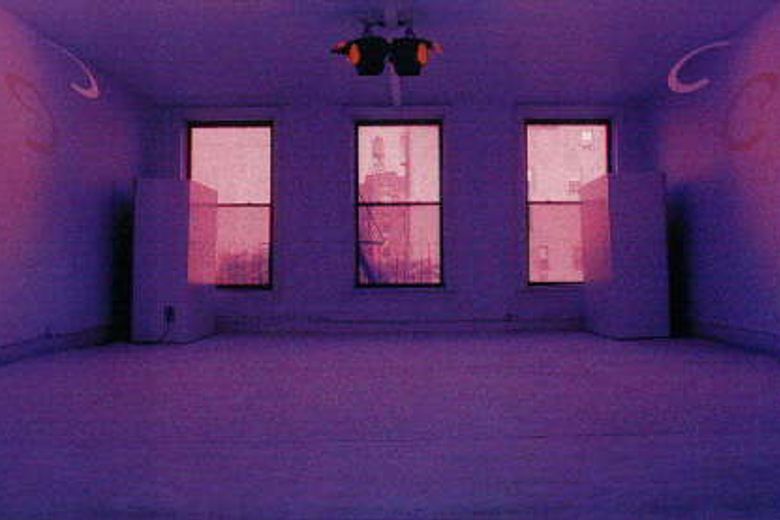
Dream House
New York, New York
This immersive environment transforms movement into melody, blending neon pink visuals with complex sound waves. It is the life's work of a visionary artistic duo, offering a meditative escape from Manhattan's chaos.
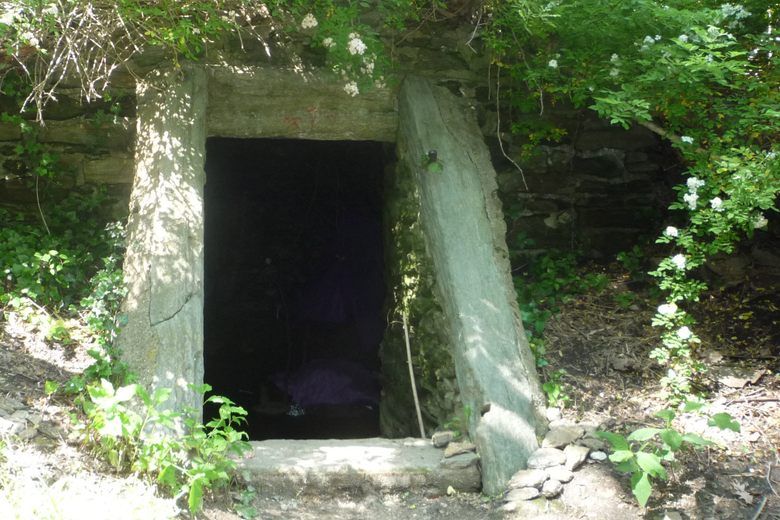
Cave of Kelpius
Philadelphia, Pennsylvania
This enigmatic stone chamber was the 17th-century base for a group of German mystics who predicted the imminent end of the world.
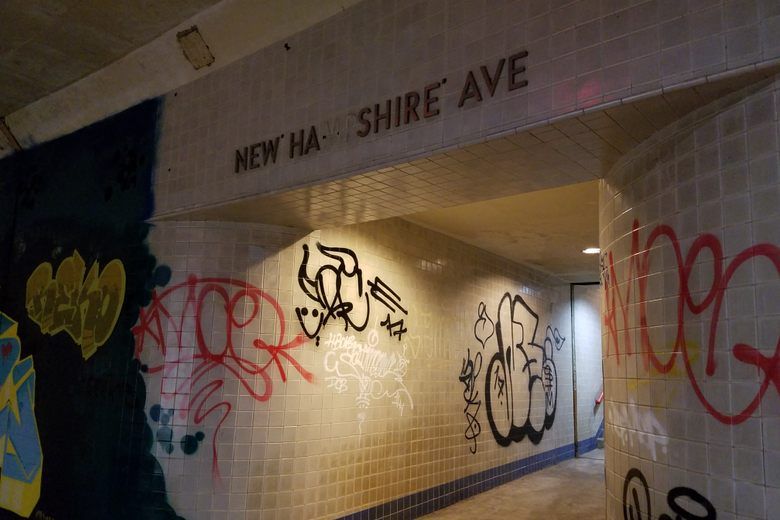
The Dupont Underground
Washington, District of Columbia
Hidden beneath the pavement of Dupont Circle, this 75,000-square-foot former trolley station has lived many lives. Once a Cold War fallout shelter and a failed food court, it is now an industrial canvas for immersive art and sound installations.