Las Vegas History
Atomic Museum: Exploring the Explosive Legacy of the Nevada Test Site
Las Vegas, Nevada, United States
By the Wicked Cool Places editors · Published · Updated
Why it’s cool
Beyond the neon lights of the Strip lies a deep dive into the Cold War era, where mushroom clouds were once a local tourist attraction and scientific spectacle.
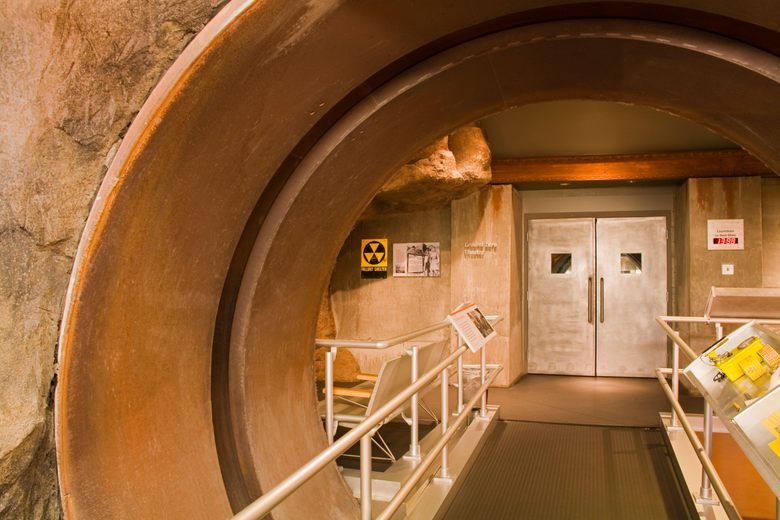
While most visitors come to Las Vegas for the high-stakes poker tables or the neon-soaked nostalgia of the Rat Pack, there is a much more radioactive chapter of the city's past waiting just off the main drag. Long before it was a global playground for luxury resorts, the surrounding desert served as the primary stage for the American nuclear program.
The Atomic Museum serves as a sobering chronicle of this era, documenting a time when the horizon frequently glowed with the light of man-made suns.
Why It Stands Out
This Smithsonian-affiliated institution manages a staggering collection of over 12,000 artifacts that trace the evolution of the Nevada Test Site. Established in 1951, the testing grounds, located roughly 65 miles northwest of the city, became the source of the most iconic imagery associated with the Cold War.
The museum goes far beyond simple technical displays of Geiger counters; it explores how the proximity to nuclear detonations reshaped the identity of Las Vegas itself. During the 1950s and 1960s, the city’s population exploded as people flocked to the desert not just for work, but for the chance to witness mushroom clouds billowing against the sunset from their hotel balconies.
The museum captures this bizarre intersection of science and spectacle, highlighting the sociological trends and pop culture artifacts that emerged when atomic energy was both a terrifying weapon and a trendy aesthetic. Nearby, The Neon Museum similarly explores the visual evolution of the city through its retired signage.
From declassified documents to historical photographs, the exhibits provide a comprehensive look at the national nuclear program and its profound impact on the local community and global politics.
Before You Go
The facility sits a short distance east of the famous Strip. It is situated on East Flamingo Road, conveniently positioned near the University of Nevada-Las Vegas campus.
It offers a quiet, contemplative alternative to the sensory overload of the nearby casinos, providing a deep dive into the controversial and transformative history of the Atomic Age.
Questions worth answering
What's the main draw at this museum?
We look at more than 12,000 objects detailing the history of the Nevada Test Site. It's a Smithsonian affiliate that tracks how nuclear testing shaped the local culture and global politics.
Where do we find this place relative to the casinos?
The facility is on East Flamingo Road, situated near the UNLV campus. It's a short trip east of the Strip when you need a break from the noise.
How did the nuclear program affect the city's identity?
In the fifties and sixties, people watched mushroom clouds from their own hotel balconies. The exhibits show how atomic energy became a local aesthetic during a period of massive population growth.
How many items are in the museum's collection?
We'll find more than 12,000 artifacts inside this Smithsonian affiliate. The exhibits include everything from declassified papers to Geiger counters and vintage photos documenting the Nevada Test Site.
More in Southwest
All Southwest places →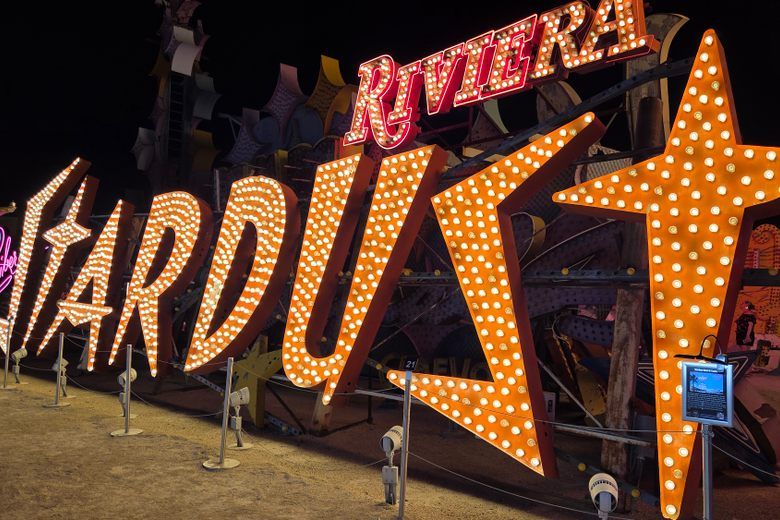
The Neon Museum
Las Vegas, Nevada
This three-acre outdoor collection preserves the electric soul of old Las Vegas, showcasing over 150 retired signs that once defined the Strip's iconic visual identity.

Bugsy Siegel Monument
Las Vegas, Nevada
Hidden behind the neon lights of the Strip, this modest stone pillar honors the notorious gangster who transformed a patch of desert into a world-class gambling destination.

Zak Bagans Haunted Museum
Las Vegas, Nevada
This historic 1938 mansion houses a chilling collection of cursed artifacts and macabre history. From serial killer relics to the notorious Dybbuk box, it offers a visceral encounter with the paranormal.