Manhattan Pop Culture Landmark
Tom's Restaurant: The Iconic Neon Facade of Seinfeld's Monk's Diner
New York, New York, United States
By the Wicked Cool Places editors · Published · Updated
Why it’s cool
While the interior won't match the sitcom sets, the glowing neon exterior of this family-run diner is one of the most recognizable television landmarks in the world, having also inspired chart-topping music and local lore.
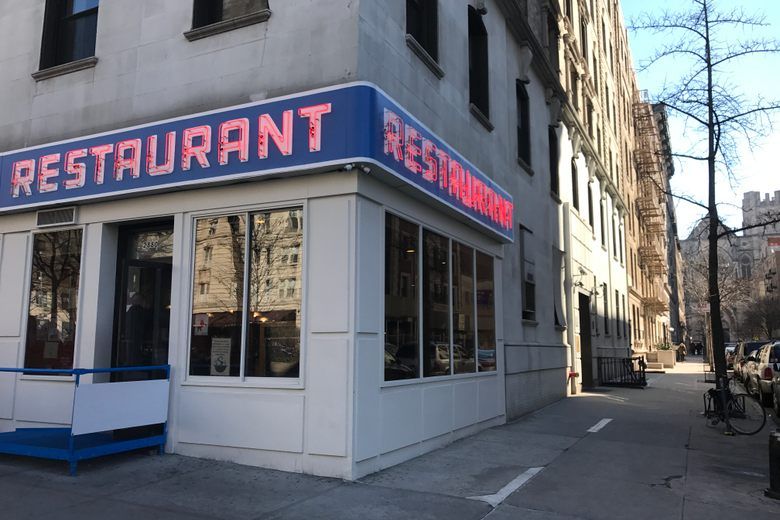
Long before it became a global symbol of "nothing," this Upper West Side corner was a quiet neighborhood staple. While most visitors arrive today to snap a photo of the red and blue neon "Tom's" sign, the restaurant’s legacy stretches back to the 1940s.
It has been managed by the same Greek-American family for generations, serving as a reliable source of milkshakes and BLTs for the nearby Columbia University community.
Why It Stands Out
The diner’s fame is layered across different eras of pop culture. In 1982, it provided the rhythmic inspiration for Suzanne Vega’s "Tom’s Diner," a song that eventually became a foundational track for modern pop and audio engineering.
However, its most enduring claim to fame arrived when camera crews showed up to photograph the exterior for a television experiment. When the owner's family asked about the project, they were told the footage was merely for a small pilot.
That "pilot" turned out to be Seinfeld, and the restaurant's facade was transformed into the fictional Monk's Diner for nine seasons. While the interior doesn't mirror the booth-lined set where Jerry, George, Elaine, and Kramer spent their days, the walls are now a shrine to the show’s history, packed with memorabilia and photos.
The city is also home to hidden landmarks like The Ramble Cave. The restaurant even played host to a 2014 Super Bowl spot that reunited the original cast and their infamous nemesis, Newman.
Beyond the cameras, it remains a functional, no-frills eatery that has hosted everyone from local students to high-profile politicians like John McCain during his visits to the university.
Before You Go
Located at the intersection of Broadway and 112th Street, the diner is easily accessible via the No. 1 train; simply exit at the Cathedral Parkway/110th Street station and walk two blocks north.
Keep in mind that this is a cash-only establishment, though an on-site ATM is available if you arrive with empty pockets. Other unique cultural institutions in the city include the Museum of Sex.
It is a popular spot for university crowds, so expect a mix of hungry students and tourists looking for that perfect sitcom-inspired photo op.
Questions worth answering
Is this the same place where the show was filmed?
The cameras only stayed outside for that famous exterior shot. Inside, you won't find the sitcom sets, but the walls are covered in show memorabilia and photos from that era.
How do we get there from the subway?
Take the No. 1 train and get off at Cathedral Parkway/110th Street. From there, it's a two-block walk heading north on Broadway until you hit the corner of 112th Street.
What should we know before we try to pay the bill?
Don't bother reaching for a credit card because they only take cash here. If you forget, there's a machine on the premises where you can withdraw some bills.
Does the restaurant have any connection to music history?
The diner served as the rhythmic basis for Suzanne Vega's 1982 track titled Tom's Diner. That song eventually played a significant role in the development of modern audio engineering.
More in Northeast
All Northeast places →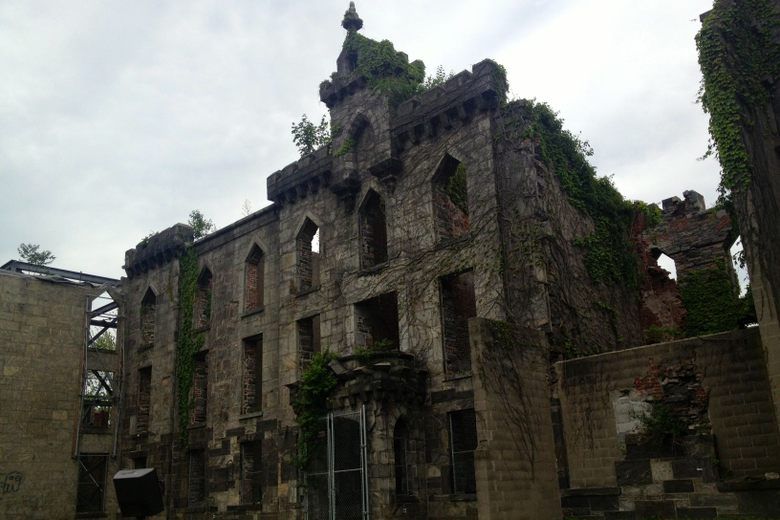
Roosevelt Island Smallpox Hospital Ruins
New York, New York
These skeletal Gothic remains represent a haunting chapter of medical history, preserved as a stabilized ruin on the southern tip of Roosevelt Island.
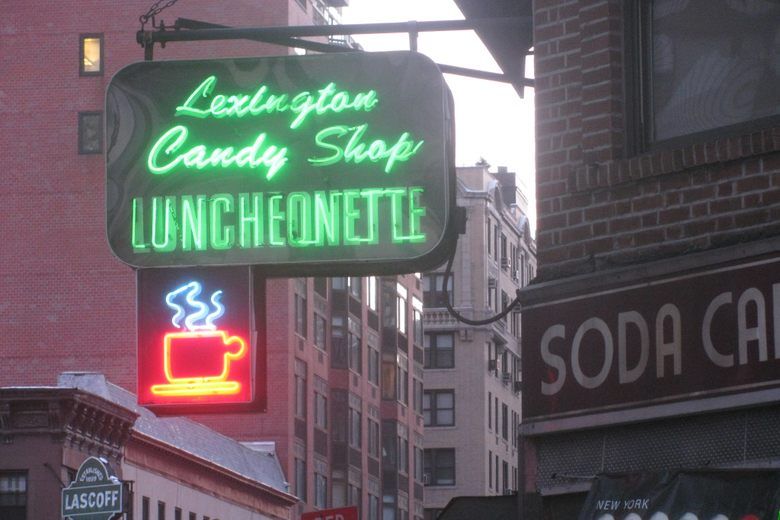
Lexington Candy Shop
New York, New York
This Upper East Side landmark hasn't changed its decor since 1948, making it the city's oldest family-operated luncheonette. It still uses vintage mixers and original urns to serve up authentic egg creams and malted shakes.
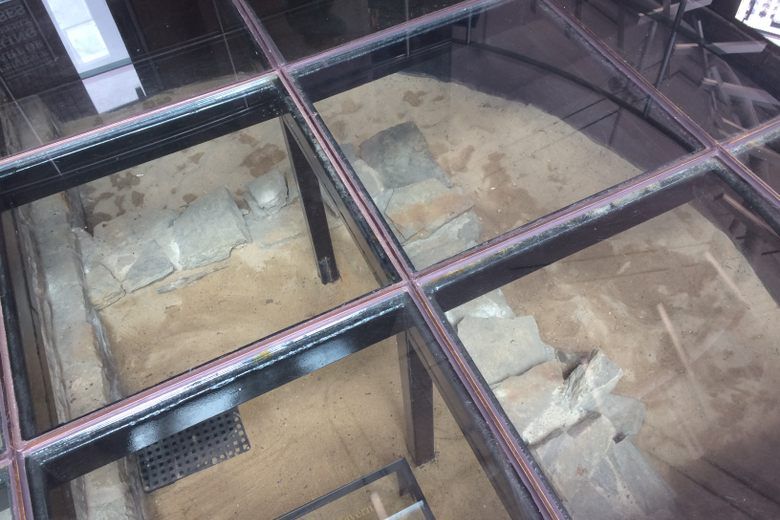
Preserved Remnants of 17th Century New York
New York, New York
Beneath the busy sidewalks of the Financial District, glass viewing portals reveal the stone foundations of the 17th-century Dutch colony that eventually became New York City.