Golden Gate Park, San Francisco
Conservatory of Flowers: A Victorian Glasshouse of Carnivorous Wonders
San Francisco, California, United States
By the Wicked Cool Places editors · Published · Updated
Why it’s cool
This Victorian landmark houses over 2,000 species, ranging from massive Amazon lilies capable of holding a child's weight to carnivorous 'monkey cups' named after ancient Greek elixirs.
Rising from the lawns of Golden Gate Park like a delicate, white-ribbed cloud, the Conservatory of Flowers is a marvel of 19th-century engineering. It remains the oldest structure of its kind in the Western Hemisphere, a fragile yet resilient assembly of wood and glass that has survived both the passage of time and the fury of Pacific storms.
Inside, the air is thick with the scent of damp earth and the humidity of a tropical rainforest, sheltering a collection of more than 2,000 botanical species.
Why It Stands Out
The building's origin story is as curious as its contents. The materials were originally discovered in crates on the estate of a local businessman who passed away before he could assemble his grand vision.
After being donated to the city, the conservatory opened in 1879. Though it faced near-ruin after a devastating storm in 1995, landing it on a list of the world's most endangered sites, a massive restoration project returned it to its former glory in 2003.
The botanical stars here are truly otherworldly. In the East Wing, an aquatic pond showcases giant Amazon Lilies with pads so expansive and sturdy they can reportedly support the weight of a small child.
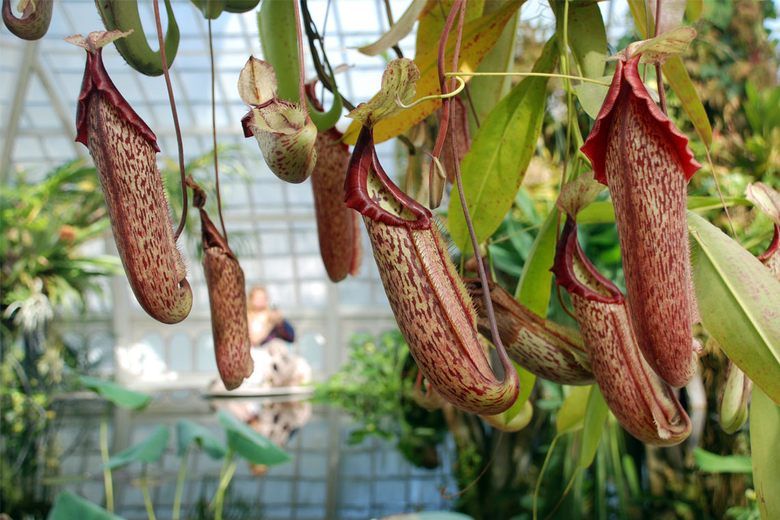
Nearby, carnivorous Nepenthes, or "monkey cups," hang from the canopy. These plants are named after a mythological Greek potion used to banish sorrow, but for the insects lured into their digestive enzymes, the experience is far less poetic.
Beyond their predatory nature, these pitcher plants have a long history of medicinal use in various cultures, serving as everything from painkillers to stomach remedies.
Before You Go
You can find the conservatory easily while traveling along JFK Drive through the heart of the park. It is a prominent landmark that is hard to miss.
While wandering the grounds outside is free, entering the glasshouse requires a paid ticket. The interior climate is kept quite warm and humid to accommodate the tropical residents, so dress in layers that you can easily remove once you step inside the historic galleries.
Those who enjoy this warm atmosphere might also appreciate the tropical theme of The Tonga Room.
Questions worth answering
Is there a cost to see the building?
The grounds don't cost a dime to walk, but you'll need a ticket to step inside. As of August 2021, the entry fee for an adult is $10.
What's the best way to find the place?
It sits right on JFK Drive in the middle of Golden Gate Park. You won't miss the white-ribbed structure from the road.
What should I wear for a visit?
The galleries are kept warm and damp to keep the tropical plants alive. Wear layers you can shed quickly once you're indoors.
How did this collection get its start?
The building materials were found in crates after a local businessman died, and the city opened it in 1879. We took the original details from the San Francisco Conservatory of Flowers and built our own editorial from there.
More in West Coast
All West Coast places →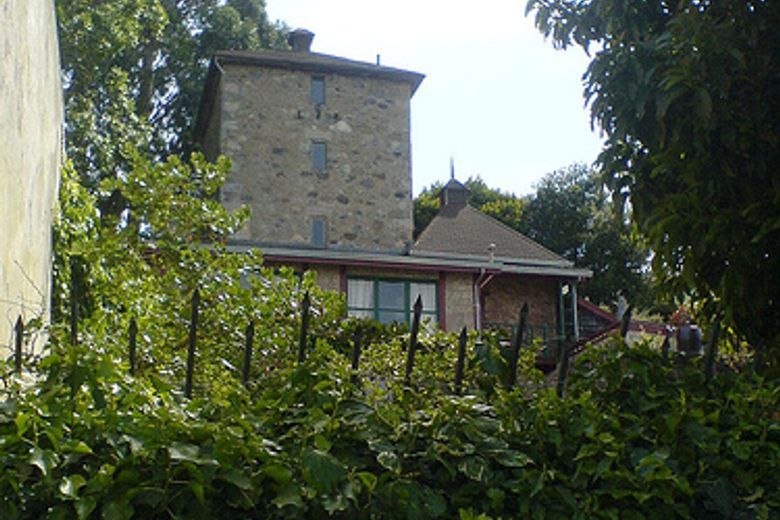
Albion Castle
San Francisco, California
A Norman-style stone tower rises above a hidden network of subterranean pools that still flow with fresh spring water, surviving decades of urban industrial shifts.
Alcatraz Island
San Francisco, California
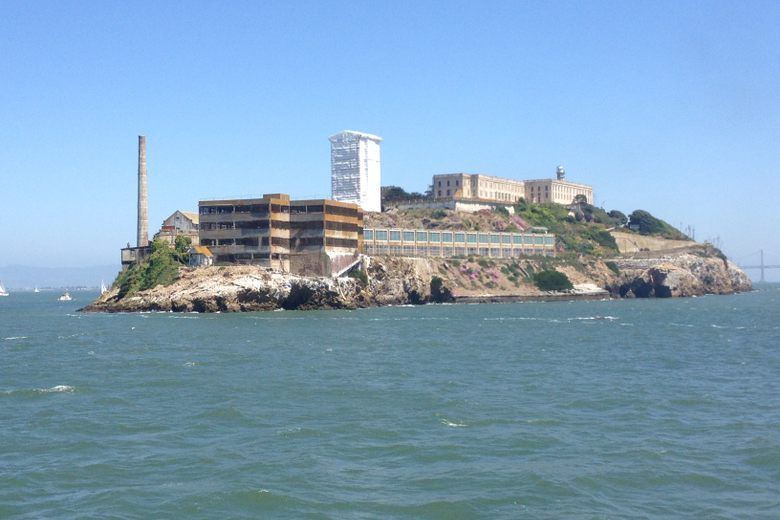
This legendary island functioned as a Civil War fortress and the West Coast's first lighthouse before becoming a high-security home for America's most notorious criminals.
Good Vibrations Antique Vibrator Museum
San Francisco, California
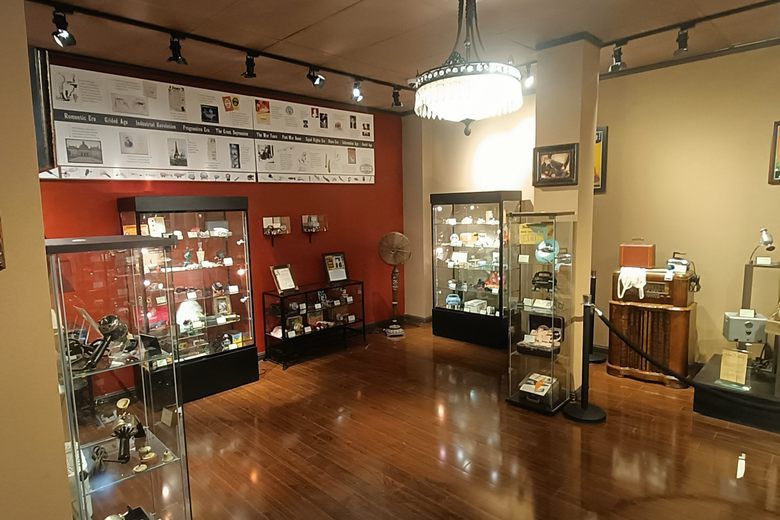
This specialized collection tracks the mechanical evolution of the vibrator from a Victorian medical necessity to a stigmatized household appliance, showcasing how design shifted to hide its true purpose.