Manhattan Transit Oddity
Roosevelt Island Tramway: New York City's Rare Aerial Commute
New York, New York, United States
By the Wicked Cool Places editors · Published · Updated
Why it’s cool
This sky-high transit link is a true American rarity, serving as one of only two aerial tramways in the nation designed specifically for daily commuter use.
High above the bustling streets of Manhattan, a different kind of commute takes place. While the city is famous for its labyrinthine subway system and iconic yellow cabs, this aerial lift provides a literal breath of fresh air, gliding silently above the gridlock.
It serves as a vital artery for the residents of Roosevelt Island, bridging the gap between their quiet enclave and the dense urban jungle of the city. The island is also home to the Roosevelt Island Smallpox Hospital Ruins.
Why It Stands Out
The Roosevelt Island Tramway is a remarkable exception in the landscape of American public transportation. It holds the distinction of being one of only two aerial tramways in the nation used for daily commuting.
Unlike many cable cars or gondolas that are built primarily for sightseeing at mountain resorts or theme parks, this system was engineered to handle the constant flow of city life. It is a functional piece of infrastructure that happens to offer some of the most dramatic views in the Northeast.
The sight of the red cabins moving against the backdrop of glass skyscrapers serves as a constant reminder of the city's willingness to look upward for solutions to its transit needs.
Before You Go
Since this is a commuter service, it operates on a regular schedule to accommodate those living and working in the area. Visitors should keep in mind that they are sharing the space with locals heading to work or school.
The tram connects the Upper East Side of Manhattan to Roosevelt Island, providing a quick transit option that bypasses traditional bridge and tunnel traffic. It is an essential link for the community, operating as a reliable part of the local transit network.
Ensure you are prepared for a skyward journey that trades the dark tunnels of the subway for an open, panoramic view of the river and the surrounding urban architecture. Those interested in subterranean transit history might also enjoy the Old City Hall Station.
Questions worth answering
Is this just for tourists?
We use it to get to work and school. It's a functional transit link for locals, not a theme park ride, so expect to share the cabin with people running errands.
How does the view compare to the subway?
You're trading dark tunnels for a panoramic look at the river and skyline. It's a scenic way to skip the usual bridge traffic while gliding over the city grid.
What makes this tramway so unusual?
It's a rare find in the United States. Only one other aerial lift in the country serves as a primary way for residents to commute every day.
Where did this information come from?
The original details came from the Roosevelt Island Tramway, and we've handled the editorial from there.
More in Northeast
All Northeast places →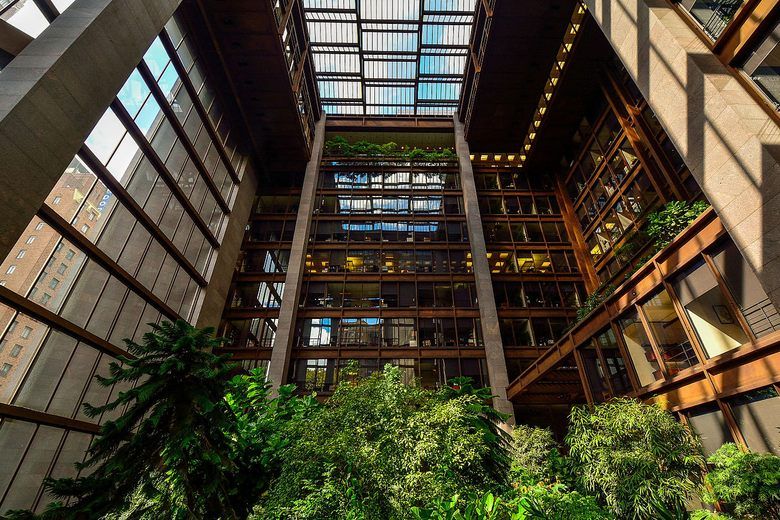
New York's Hidden Tropical Forest
New York, New York
This architectural marvel houses a soaring, twelve-story tropical ecosystem inside a steel-and-glass headquarters. It offers a humid, verdant escape where rainwater and steam sustain a thriving forest in the heart of the city.
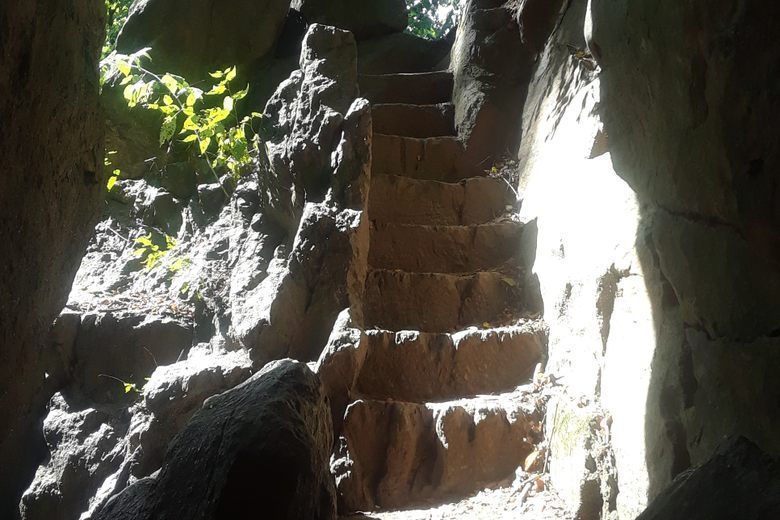
The Ramble Cave
New York, New York
This forgotten subterranean passage was accidentally unearthed during the park's construction and became a beloved, then notorious, landmark before being bricked up and buried.
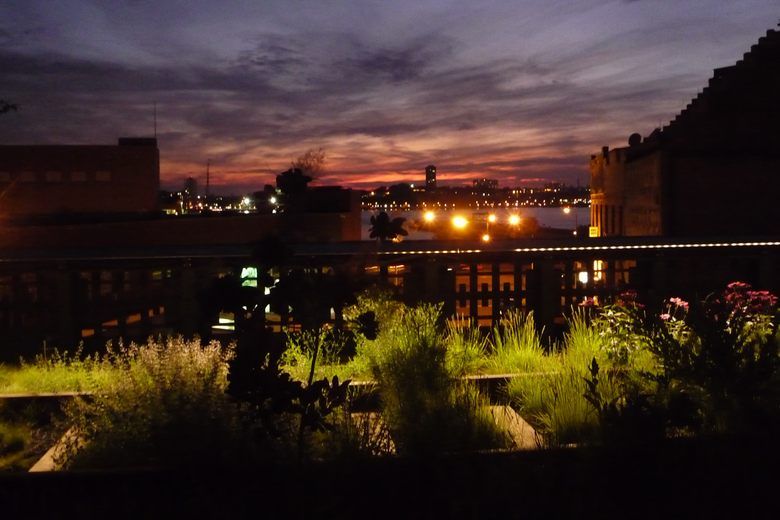
The High Line
New York, New York
This former freight rail line escaped the wrecking ball to become a lush aerial promenade. It seamlessly blends wild urban flora with industrial history, offering a rare perspective of the city streets from thirty feet above the pavement.