Lower Manhattan Underground Landmark
Old City Hall Station: The Subway’s Abandoned Crown Jewel
New York, New York, United States
By the Wicked Cool Places editors · Published · Updated
Why it’s cool
This decommissioned 1904 transit hub is a masterclass in subterranean elegance, featuring intricate Guastavino vaulted ceilings and brass chandeliers hidden beneath the busy streets of Lower Manhattan.
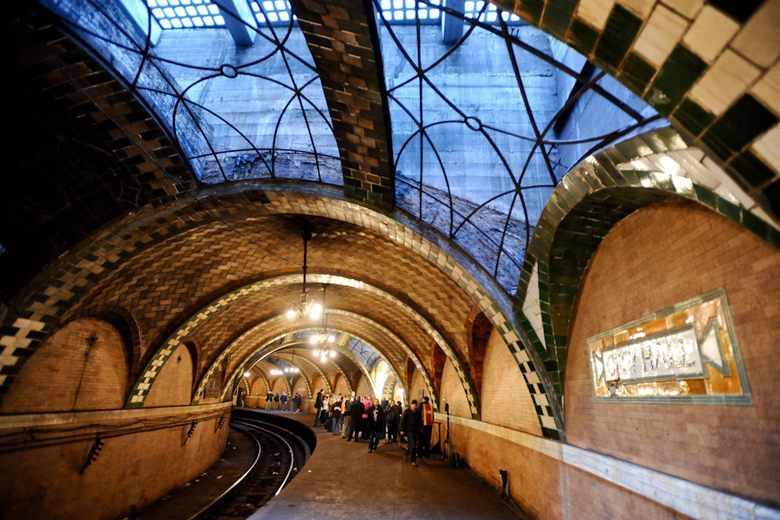
Beneath the frantic pace of modern Manhattan lies a silent cathedral of transit history that most commuters never see. When the city’s first subway line launched on October 27, 1904, this station was intended to be its showpiece.
Unlike the utilitarian concrete boxes of today, this stop was designed with an opulent aesthetic that mirrored the grand civic buildings above ground.
Why It Stands Out
Architecturally, the station is a marvel of the Interborough Rapid Transit Company’s early vision. It features sweeping Guastavino vaulted ceilings, ornate colored glass tiling, and elegant brass chandeliers that once illuminated the platform.
Natural light even filtered down through specialized skylights, a rarity for deep-tunnel transit. Despite its beauty, the station was ultimately a victim of its own design.
Its sharply curved platform became a liability as the city introduced longer train cars with center doors, which created dangerous gaps for passengers. Furthermore, most travelers preferred the nearby Brooklyn Bridge station for its express connections.
By the 1920s, it was the only stop in the city without turnstiles, and by its final year of operation in 1945, it served only about 600 people daily. It was officially shuttered on New Year’s Eve of that year, left to become a ghost station preserved in time.
The city also contains the Roosevelt Island Smallpox Hospital Ruins.
Before You Go
While you can no longer wait on the platform for a train, the station remains accessible to those in the know. The most common way to see it is to remain on the downtown 6 train after it reaches its final stop at Brooklyn Bridge.
As the train makes its turnaround loop to head back uptown, it passes directly through the abandoned station. For a more intimate look, the New York Transit Museum offers guided walking tours.
These excursions are highly sought after and require a museum membership to book.
Questions worth answering
How do we actually see the station if it's closed?
Stay on the downtown 6 train after its final stop at Brooklyn Bridge. The train uses the station's track to loop back uptown, giving you a clear look at the platform from your seat.
What's the best way to get a clear view from the train?
Position yourself in the 7th, 8th, or 9th car. The train slows down significantly as it navigates the curve, so those cars offer the most consistent view of the vaulted ceilings and chandeliers.
Can we walk onto the platform for a closer look?
Only if you're a member of the New York Transit Museum. They run guided walking tours three times a year for $50, though you'll need to pay $65 for an annual membership first.
Why did the city stop using such a well-designed space?
The platform's sharp curve couldn't handle newer, longer train cars without creating dangerous gaps. By 1945, only about 600 people used it daily, so the city shut it down on New Year's Eve.
More in Northeast
All Northeast places →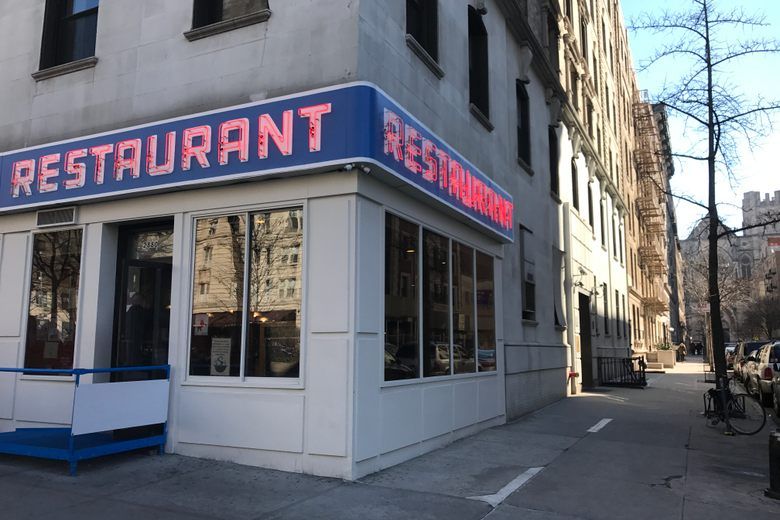
Tom's Restaurant
New York, New York
While the interior won't match the sitcom sets, the glowing neon exterior of this family-run diner is one of the most recognizable television landmarks in the world, having also inspired chart-topping music and local lore.
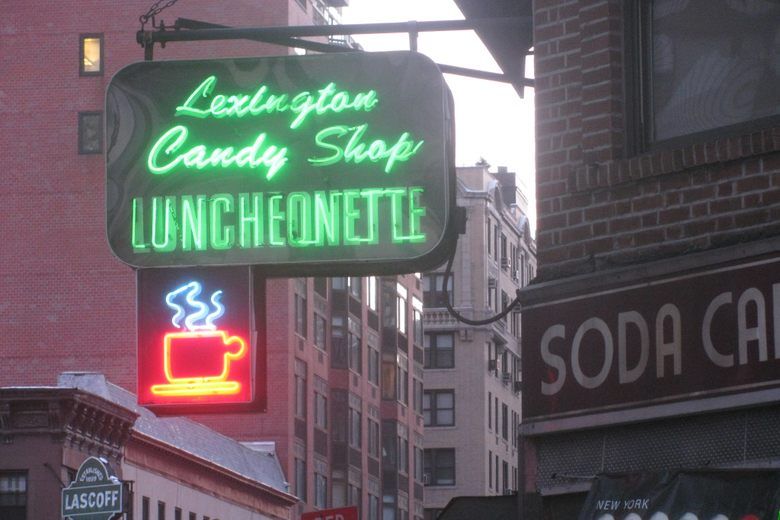
Lexington Candy Shop
New York, New York
This Upper East Side landmark hasn't changed its decor since 1948, making it the city's oldest family-operated luncheonette. It still uses vintage mixers and original urns to serve up authentic egg creams and malted shakes.
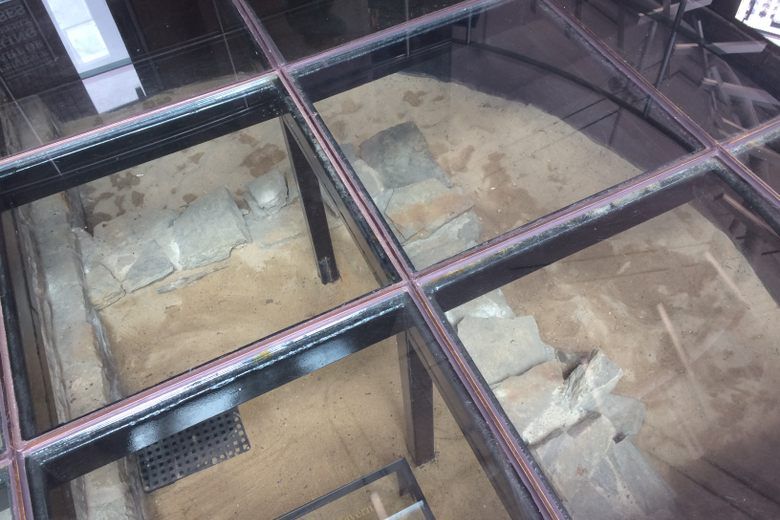
Preserved Remnants of 17th Century New York
New York, New York
Beneath the busy sidewalks of the Financial District, glass viewing portals reveal the stone foundations of the 17th-century Dutch colony that eventually became New York City.