San Francisco Waterfront Attraction
Magowan's Infinite Mirror Maze: A Neon Labyrinth on Pier 39
San Francisco, California, United States
By the Wicked Cool Places editors · Published · Updated
Why it’s cool
This neon-drenched labyrinth uses simple geometry to create a disorienting, psychedelic experience that feels like stepping into a 1990s rave.
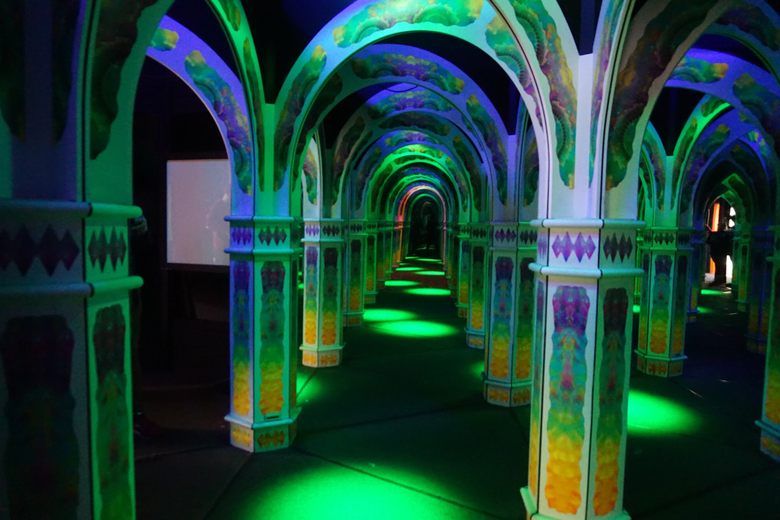
Tucked away in the tourist bustle of Pier 39, a nondescript facade hides a dizzying world where depth perception goes to die. Magowan’s Infinite Mirror Maze isn't your standard carnival attraction; it's a neon-soaked descent into a kaleidoscopic dungeon where the boundary between reflection and reality becomes hilariously thin.
Why It Stands Out
Described by its creator as a fusion of art and science, the maze utilizes a grid of columns and mirrors to create the illusion of endless space. The environment is deliberately disorienting, bathed in the glow of blacklights and pulsing with the energy of rave music.
As you navigate the corridors, the flashing neon colors bounce off every surface, making it nearly impossible to tell if the person walking toward you is a stranger, a friend, or just your own confused face. The charm of the maze lies in its low-tech simplicity.
There are no high-definition screens or VR headsets here, just clever geometry and lighting. The Audium Theatre of Sound-Sculptured Space also offers an immersive experience without traditional screens.
Visitors often find themselves shuffling forward with arms outstretched, trying to avoid a head-on collision with a mirror. It is a place where you’ll hear constant giggles and the occasional question of whether a passerby is actually a real human.
Once you successfully find the exit, the staff often suggests a second run, but this time in reverse, which offers a completely different perspective on the optical illusions.
Before You Go
The maze is located on Pier 39 in San Francisco. While the experience is psychedelic and trippy, it is designed for visitors of all ages and relies entirely on light and reflection to achieve its effects.
The trippy visuals share a certain aesthetic energy with the Institute of Illegal Images. It’s an affordable detour from the more expensive waterfront attractions and offers a quick, high-energy burst of fun that lasts as long as it takes you to find your way out. The Wave Organ is another nearby waterfront attraction that uses physical geometry to create unique effects.
Admission is generally affordable for a city attraction, making it a great stop for families or groups looking for a unique photo opportunity.
Questions worth answering
What's the actual experience like inside?
Expect a dark, neon-lit dungeon where blacklights and loud rave music set the tone. It's a low-tech grid of mirrors designed to kill your depth perception through simple geometry.
How much will this set me back?
Entry costs ten dollars. It's a cheap alternative to the typical high-priced tourist traps found along the San Francisco waterfront.
Is it just for kids or can adults get into it too?
While the vibe feels like a psychedelic 1990s party, it's built for every age group. We find the charm is in the physical confusion, which makes people of all ages shuffle around with their arms out to avoid glass.
How do we avoid walking straight into a mirror?
The staff usually sees people shuffling through the corridors with their arms outstretched to tell reflections from reality. It's a low-tech environment where clever geometry and blacklights make it difficult to spot where the hallways actually end.
More in West Coast
All West Coast places →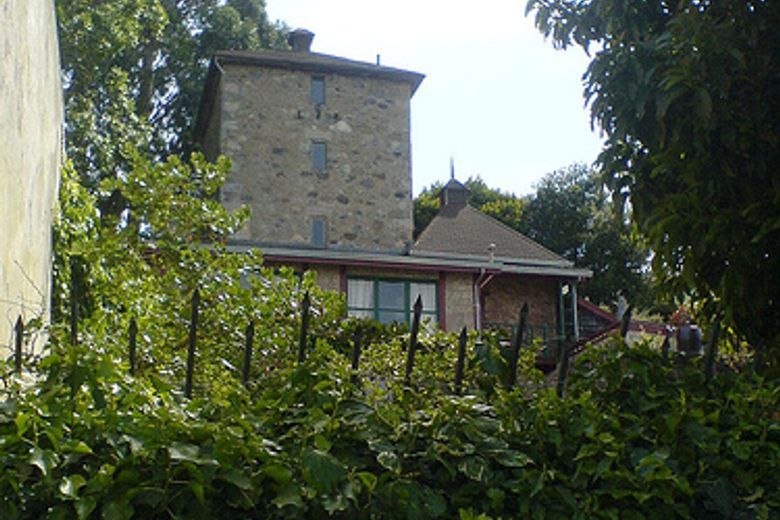
Albion Castle
San Francisco, California
A Norman-style stone tower rises above a hidden network of subterranean pools that still flow with fresh spring water, surviving decades of urban industrial shifts.
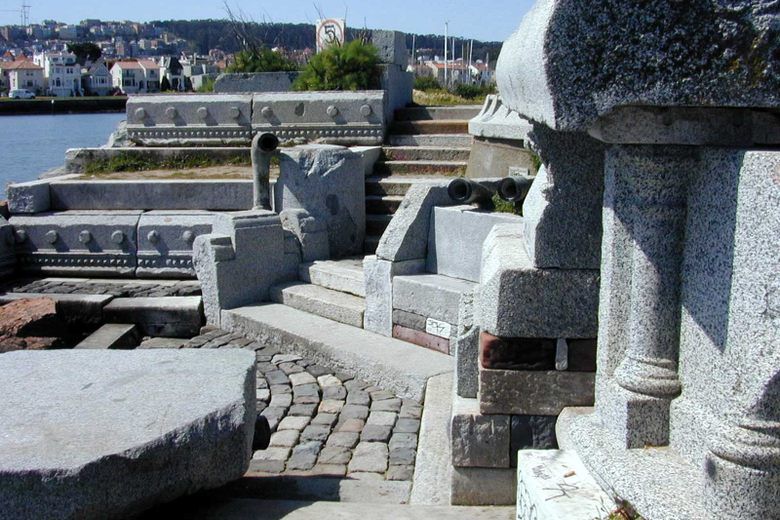
The Wave Organ
San Francisco, California
This sprawling jetty installation transforms the rhythm of the San Francisco Bay into a natural symphony, using a network of pipes and salvaged cemetery marble to amplify the ocean's voice.
Japanese Tea Garden
San Francisco, California
This tranquil space is a rare surviving remnant of the 1894 Midwinter Exposition, offering visitors a chance to walk through a piece of living history.