San Francisco Historic Landmark
Japanese Tea Garden: A Living Legacy of the 1894 Midwinter Expo
San Francisco, California, United States
By the Wicked Cool Places editors · Published · Updated
Why it’s cool
This tranquil space is a rare surviving remnant of the 1894 Midwinter Exposition, offering visitors a chance to walk through a piece of living history.
Tucked away in the heart of San Francisco, this site offers a direct connection to the city's grand 19th-century ambitions. While many structures from that era have long since vanished, this space remains a curated testament to the 1894 Midwinter Exposition.
Another historic survivor of the city's early development is Albion Castle. It provides a sensory bridge to the past, where the aesthetic of another century is preserved through careful maintenance and a deep respect for its origins.
Why It Stands Out
The primary allure of the garden lies in its status as a collection of relics from a specific moment in California history. The 1894 Midwinter Exposition was a grand event designed to showcase the region, and while most of the fair's temporary structures were eventually dismantled, the elements that formed this garden were allowed to endure.
This persistence makes it a rare physical link to the Victorian-era fascination with international cultures and landscape design. Visitors today find delight in the same vistas and architectural details that captivated crowds over a hundred years ago.
The garden represents a successful transition from a temporary exhibition piece to a permanent sanctuary. Similarly, The Wave Organ serves as a unique sanctuary along the city's waterfront.
Its longevity is a credit to those who recognized its value early on, ensuring that the historical elements didn't just survive but thrived as a central part of the city's cultural fabric. The atmosphere is one of quiet contemplation, where the passage of time feels slowed, allowing the historical weight of the 1894 exposition to be felt in every corner.
Before You Go
Since this site is a legacy of a major exposition, it is best experienced with an eye for historical detail. Look for the features that feel like they belong to a different century.
Because the garden is a popular destination for those seeking a peaceful retreat within the city, arriving with a mindset for slow exploration is recommended. The site continues to serve its original purpose of providing delight and aesthetic wonder to all who enter its gates.
Questions worth answering
What makes this spot historically significant?
We see it as a rare physical link to the 1894 Midwinter Exposition. While most structures from that fair disappeared, these elements were kept as a permanent sanctuary.
What should I look for when I visit?
Keep an eye out for architectural details that feel like they belong to the Victorian era. The site still offers the same vistas that drew crowds over a century ago.
What is the general atmosphere of the grounds?
It is a scenic retreat where the passage of time feels slower. We find the mood is best suited for quiet contemplation and slow exploration.
How did this place come to be a permanent part of the city?
The grounds started as a temporary feature for the 1894 Midwinter Exposition. While most of the fair's buildings were torn down, these specific elements were kept and turned into a lasting sanctuary.
More in West Coast
All West Coast places →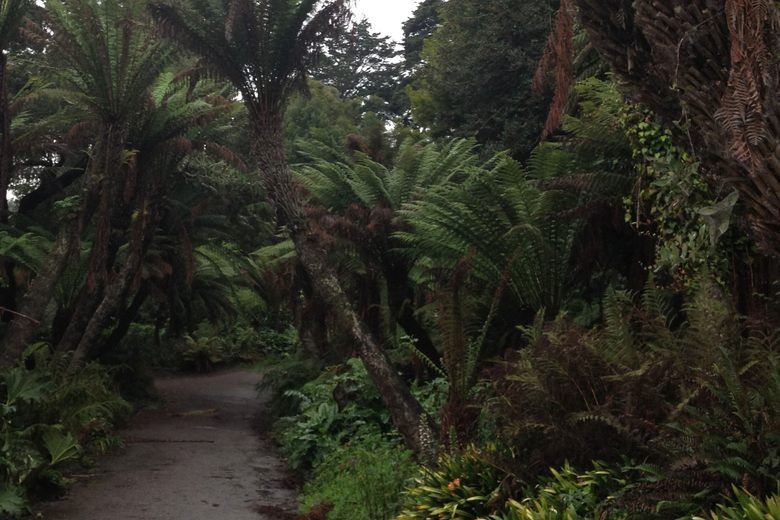
Mescaline Grove
San Francisco, California
This lush pocket of Golden Gate Park transports visitors to a prehistoric era with its towering exotic ferns. Its trippy 1960s nickname reflects the otherworldly atmosphere found along its damp, shaded pathways.
Garden of Fragrance
San Francisco, California
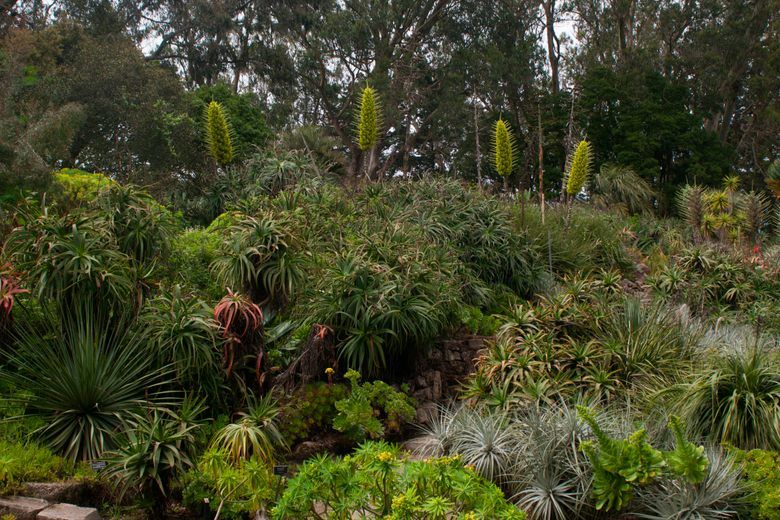
This specialized botanical enclave prioritizes olfactory and tactile experiences, utilizing medieval monastery ruins to house a fragrant collection of herbs and blossoms.
Seward Street Slides
San Francisco, California
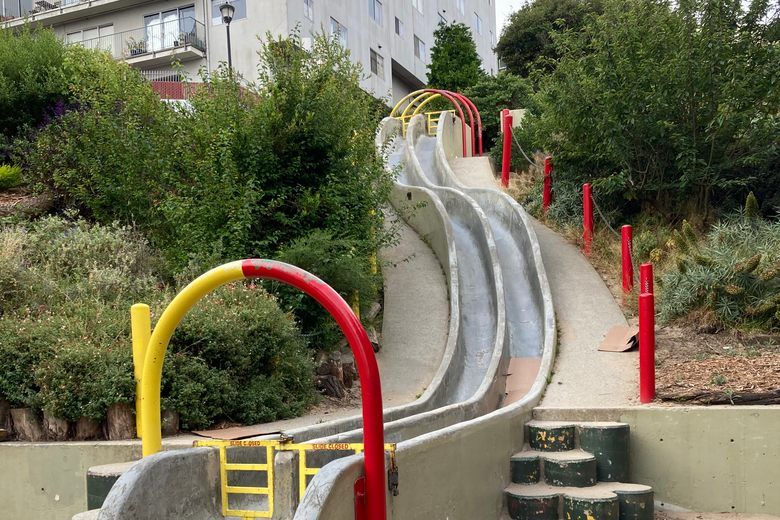
These twin concrete chutes offer a high-speed descent through a quiet residential park, representing a hard-won victory for community-led urban preservation.