Yosemite National Park, California
Horsetail Fall: Yosemite's Seasonal Cascade of Liquid Fire
Yosemite National Park, California, United States
By the Wicked Cool Places editors · Published · Updated
Why it’s cool
For a few days each February, this seasonal waterfall catches the setting sun at a precise angle, transforming a 1,570-foot drop into a glowing pillar of orange light.
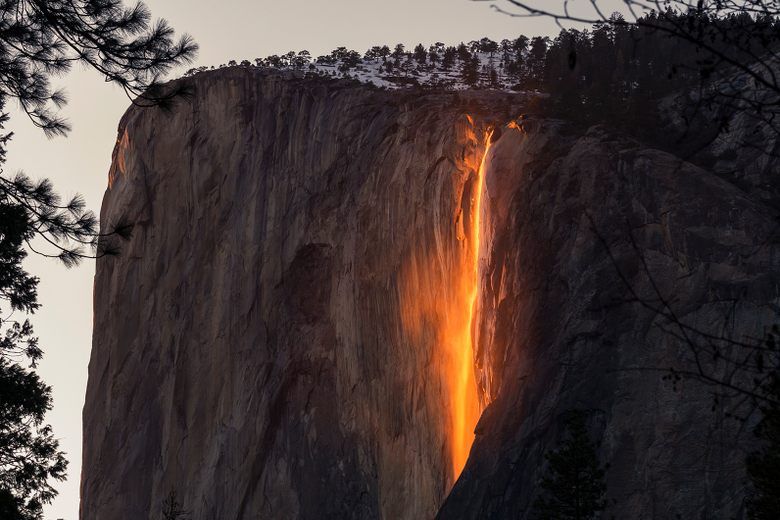
High on the granite face of El Capitan, a seasonal stream performs a trick of the light that draws crowds from across the globe. While Yosemite Valley is famous for its year-round torrents, Horsetail Fall is a fleeting resident, appearing only when winter snows begin to melt.
For most of its short life, it is a graceful, two-streamed ribbon dropping 1,570 feet before misting onto the rocks and continuing another 500 feet down. Another unique water feature in the region is Proxy Falls.
But for a brief window at the end of February, the setting sun aligns perfectly with the water, turning the spray into a luminous, glowing orange streak that looks more like molten metal than mountain runoff.
Why It Stands Out
The "firefall" phenomenon is a delicate balance of weather and timing. It requires a cloudless sky and enough warmth to melt the snowpack, feeding the vertical drop.
While it is now a celebrated natural event, the name actually harkens back to a discarded park tradition. From the 1880s until the 1960s, park staff would push burning embers off the cliffs to entertain guests.
That practice ended due to fire risks, but the natural version was rediscovered in 1973 when photographer Galen Rowell captured the sun’s orange glow on the water. The Morning Glory Pool is another natural site that highlights the impact of human activity on geological wonders.
Today, it remains the second-tallest free-falling waterfall in the valley, distinguished from its neighbor, Ribbon Falls, by its prominent position on a rocky edge that allows for spectacular side-viewing.
Before You Go
The most popular vantage point is the El Capitan picnic area, located about 1.7 miles from Yosemite Valley Lodge along Northside Drive. Expect to see rows of tripods as photographers wait for the precise moment the sun hits the horizon.
Parking can be found at the Yosemite Falls Parking Area or along Northside Drive near El Capitan Straight. If you have a disability placard, you are permitted to park directly at the picnic area.
Be prepared for the effect to vanish in an instant. The "fire" only ignites when the sky is perfectly clear and the water is flowing.
Questions worth answering
Is there a specific time of year to see the glow?
The transformation happens during a short window in late February. You'll need clear skies and enough warmth to melt the snow so the water actually flows.
Where should we park to get a good look?
The Yosemite Falls Parking Area is your best bet, or look for a spot along Northside Drive. If you have a disability placard, you can drive straight to the El Capitan picnic area.
Does this have anything to do with the old park tradition of dumping embers?
The name is a nod to a practice from the 1880s where staff pushed burning coals off cliffs. That ended decades ago, but photographer Galen Rowell found this natural version in 1973.
What's the vibe of the crowd during the event?
It's a scenic scene dominated by tripods and people waiting for the sun to hit the granite. We started with an Atlas Obscura report and built our own editorial from there.
More in West Coast
All West Coast places →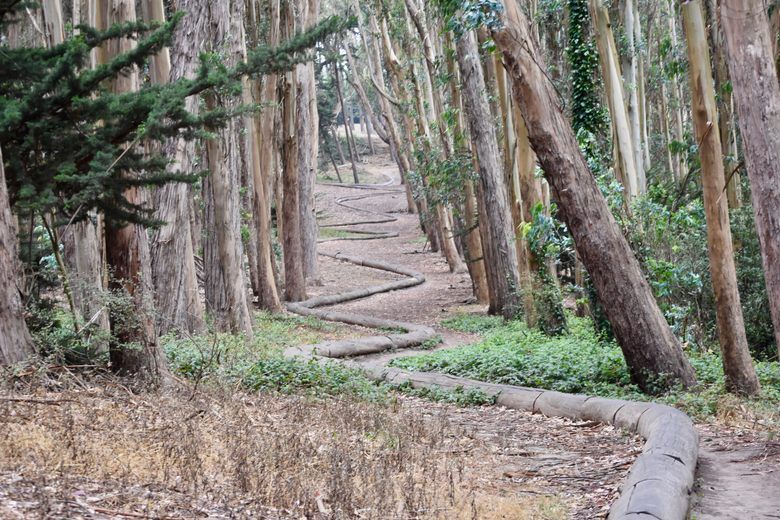
'Wood Line'
San Francisco, California
This undulating land-art installation repurposes fallen eucalyptus branches to fill a natural gap in the forest, creating a surreal walking path that slowly returns to the earth.
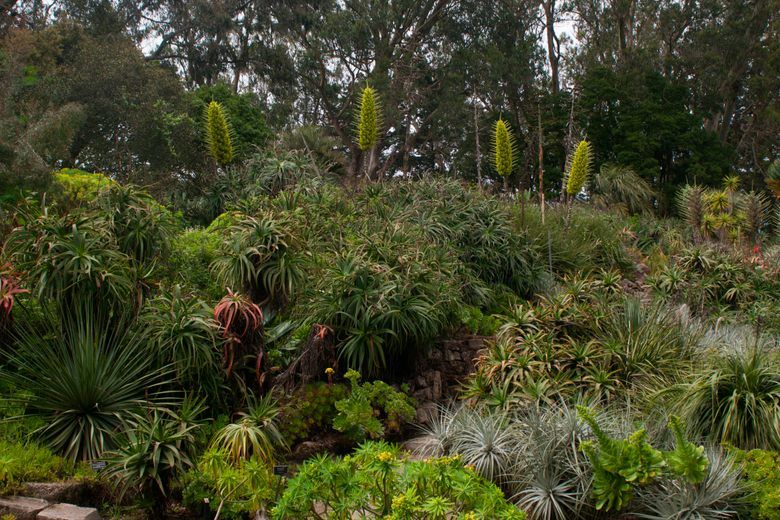
Garden of Fragrance
San Francisco, California
This specialized botanical enclave prioritizes olfactory and tactile experiences, utilizing medieval monastery ruins to house a fragrant collection of herbs and blossoms.
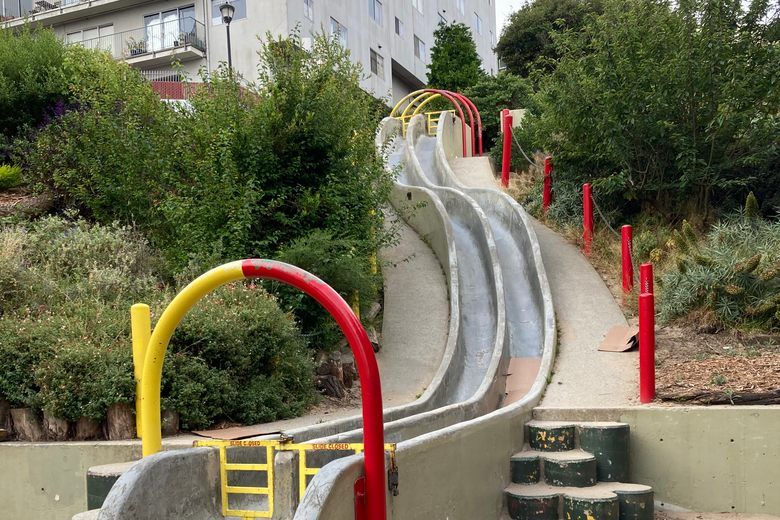
Seward Street Slides
San Francisco, California
These twin concrete chutes offer a high-speed descent through a quiet residential park, representing a hard-won victory for community-led urban preservation.