Los Angeles Science Landmark
Griffith Observatory Tesla Coil: A High-Voltage 1930s Spectacle
Los Angeles, California, United States
By the Wicked Cool Places editors · Published · Updated
Why it’s cool
This historic 1937 apparatus transforms raw electricity into indoor lightning bolts. Once a tool for experimental medical theories, it now mesmerizes visitors with hourly high-voltage demonstrations.
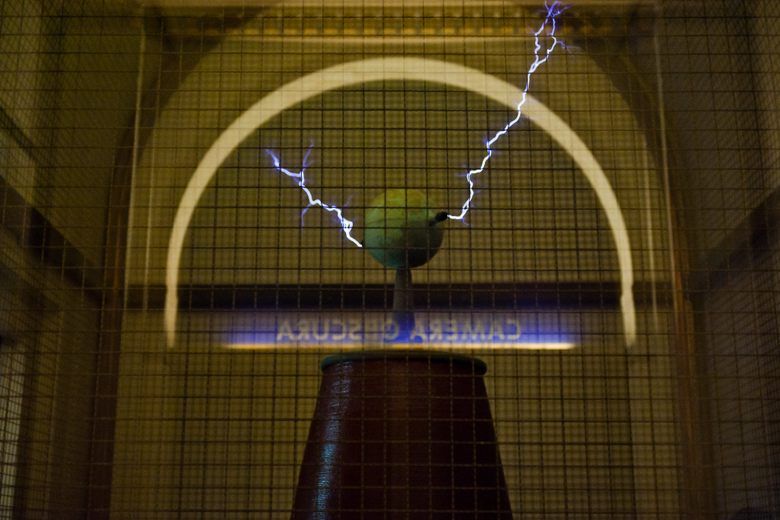
A sudden, sharp crackle fills the air as jagged bolts of electricity leap across a darkened alcove, mesmerizing onlookers with a display of raw power. This isn't a laboratory experiment gone wrong, but one of the most beloved features of the Griffith Observatory.
While the building is famous for its views of the stars and the Hollywood sign, this indoor lightning storm provides a grounded spectacle that has thrilled generations of visitors. The nearby Chemosphere also offers a unique architectural silhouette against the hills.
Why It Stands Out
The history of this specific coil is as fascinating as its visual output. It didn't start its life as a museum piece; instead, it was the personal equipment of Dr.
Fredrick Finch Strong. A physician and theosophist, Strong was deeply influenced by Nikola Tesla’s late 19th-century research into alternating currents.
He became convinced that high-frequency electricity could be used for electrotherapeutics, believing that high-voltage currents could positively influence a patient's internal vibrations. He even authored a text on the subject in 1908 titled High Frequency Currents.
The Psychiatry: An Industry of Death Museum also examines medical history and theories within the city. Historical medical artifacts are also preserved at the International Museum of Surgical Science.
Strong eventually donated the essential parts of his apparatus to the City of Los Angeles, and the coil was reconstructed for the observatory’s opening era. It has been a permanent fixture here since 1937.
While Nikola Tesla’s grandest ambition was to transmit electricity through the air to power the entire world, this particular machine has a much more focused job: it uses its massive voltage to light up a simple neon sign. Even so, the sensory experience of the zapping sounds and the brilliant arcs of light remains a highlight of the facility’s physical science wing.
Before You Go
Viewing the Tesla coil is free and included with general admission to the observatory grounds. The staff typically runs the demonstration once every hour, usually right on the hour, though these times are subject to change.
The coil is housed in a specially designed alcove that allows for clear visibility while maintaining safety. Because the demonstrations are brief and loud, it is best to arrive at the exhibit a few minutes early to secure a good vantage point before the discharge begins.
Questions worth answering
What's the story behind this machine's origins?
Dr. Fredrick Finch Strong originally owned these components for his medical experiments before gifting them to the city. We took our own editorial from there to trace how it became a permanent fixture in 1937.
How often can we see the electricity in action?
The staff generally triggers the discharge at the top of every hour. It's a loud, quick event, so we suggest finding a spot in the alcove slightly ahead of time.
Does it cost anything to watch the demonstration?
You won't pay a cent to see the lightning since it's included with your general entry. The coil sits in the physical science wing, ready for anyone who walks in.
Is there a specific mood to expect at this exhibit?
The vibe is strictly historic, centered on a 1930s apparatus that turns high voltage into a visual show. It's a grounded contrast to the telescopes and Hollywood views found elsewhere in the building.
More in West Coast
All West Coast places →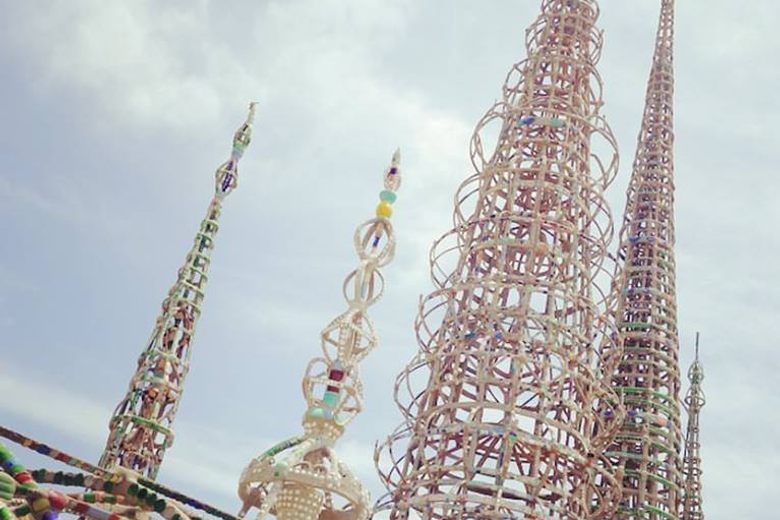
Watts Towers
Los Angeles, California
This sprawling complex of 17 steel-and-mortar spires was hand-built by a single immigrant laborer over three decades. Using discarded tiles and sea shells, Simon Rodia transformed a suburban lot into a world-renowned monument of vernacular architecture.
Lummis Home ("El Alisal")
Los Angeles, California
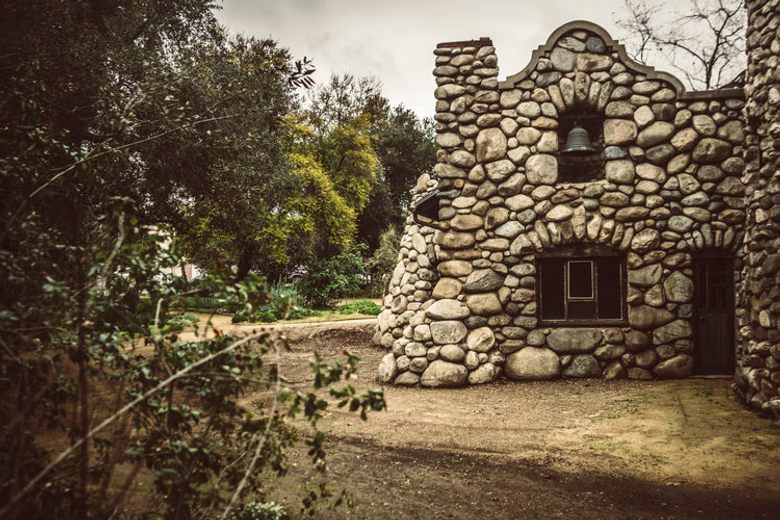
This 4,000-square-foot residence was constructed stone by stone over thirteen years by a man who famously walked from Ohio to California in street shoes.
Bradbury Building
Los Angeles, California
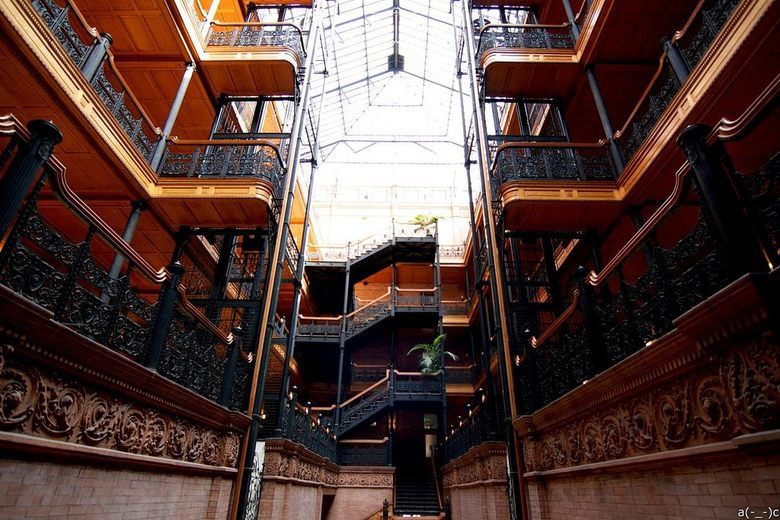
This architectural gem was designed by a draftsman who only agreed to the project after his late brother sent an encouraging message through a planchette board.