San Francisco Medical Oddities
Good Vibrations Antique Vibrator Museum: A History of Hidden Pleasure
San Francisco, California, United States
By the Wicked Cool Places editors · Published · Updated
Why it’s cool
This specialized collection tracks the mechanical evolution of the vibrator from a Victorian medical necessity to a stigmatized household appliance, showcasing how design shifted to hide its true purpose.
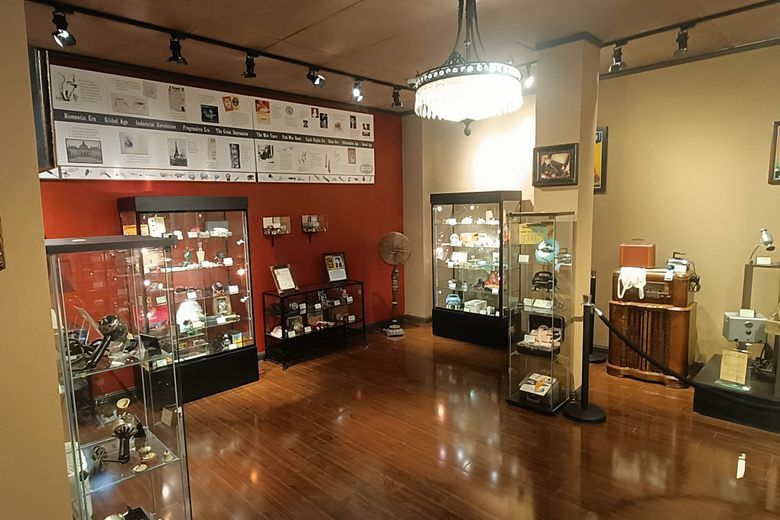
Hidden within a modern retail space in San Francisco lies a fascinating timeline of human ingenuity and social taboo. This collection doesn't just display gadgets; it maps the complex history of women's health and the shifting boundaries of what society deemed "obscene." A similar exploration of human intimacy can be found at the Museum of Sex.
From the heavy, hand-cranked medical tools of the 19th century to the sleek, disguised appliances of the mid-1900s, the museum offers a candid look at how pleasure was once prescribed by doctors and later hidden in plain sight. Other collections of vintage medical tools are preserved at Woolly Mammoth Antiques and Oddities.
Why It Stands Out
The museum highlights a bizarre era when doctors treated "female hysteria", a catch-all diagnosis for everything from anxiety to insomnia, with manually induced orgasms. When the electric vibrator debuted in 1902, it actually preceded the electric toaster and the vacuum cleaner.
Early models were luxury items, often nestled in elegant velvet-lined boxes that resembled jewelry cases. As the 20th century progressed, the marketing for these devices took a creative turn to bypass strict anti-obscenity laws.
By the 1920s, the overt promises of "youthful throbbing" vanished from magazines, replaced by discreet language. By the 1950s, the technology was rebranded as "reduction aids" for weight loss or "magnetic massagers" for a better complexion.
Visitors can see the Magnetic Massage device, which came with instructions for toning the neck and chin while carefully avoiding any mention of its more popular applications. These Eisenhower-era models were often built into vinyl carrying cases, designed to look exactly like portable record players to avoid awkward questions from neighbors.
Before You Go
The museum is located inside the Good Vibrations store in San Francisco. It serves as a permanent educational exhibit that is open during regular retail hours.
The Institute of Illegal Images is another unique local collection nearby. Because it is housed within an adult-oriented business, visitors should be prepared for the retail environment surrounding the historical displays.
Questions worth answering
What's the atmosphere like when we walk in?
You'll find the collection tucked inside a functioning retail shop in San Francisco. It's a professional environment, but since the business sells adult products, the historical exhibits share space with modern inventory.
Is this just a collection of old gadgets?
The displays actually track how social taboos forced design changes over time. We see tools evolve from heavy medical instruments into objects disguised as jewelry boxes or record players to avoid scrutiny.
When did these devices first show up in homes?
Electric models hit the market in 1902, arriving before common household staples like toasters. By the mid-century, they were marketed as complexion massagers or weight loss aids to bypass strict laws regarding obscenity.
How did manufacturers hide these devices from the public in the mid-1900s?
To dodge obscenity laws, brands marketed them as weight loss aids or complexion massagers. We'll see 1950s models built into vinyl cases that look identical to portable record players.
More in West Coast
All West Coast places →The Tonga Room
San Francisco, California
This legendary spot brings an unexpected touch of tropical luxury to the sophisticated heights of San Francisco's Nob Hill district.
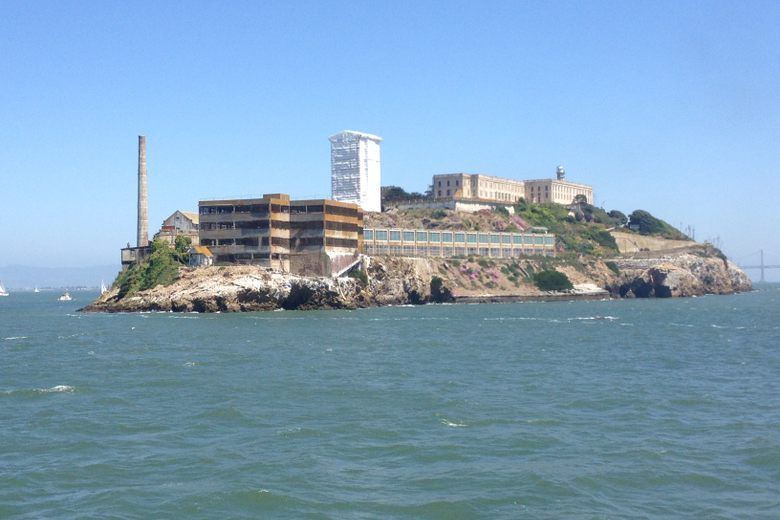
Alcatraz Island
San Francisco, California
This legendary island functioned as a Civil War fortress and the West Coast's first lighthouse before becoming a high-security home for America's most notorious criminals.
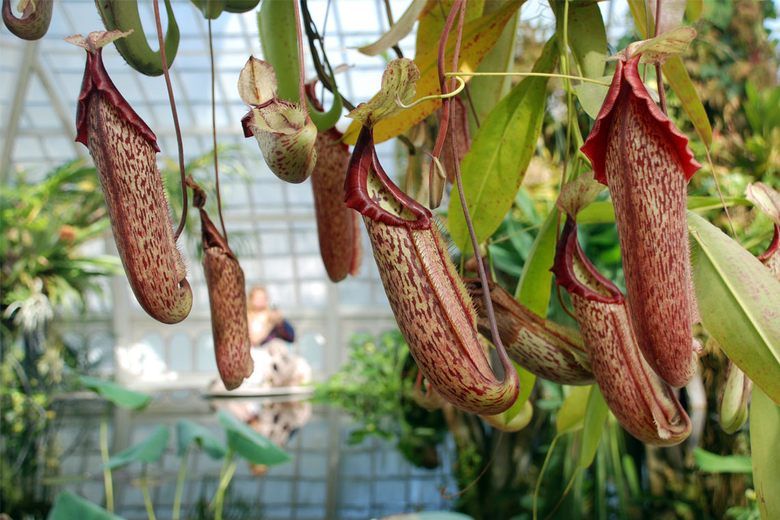
San Francisco Conservatory of Flowers
San Francisco, California
This Victorian landmark houses over 2,000 species, ranging from massive Amazon lilies capable of holding a child's weight to carnivorous 'monkey cups' named after ancient Greek elixirs.