New York's Archive of Adventure
Explorers Club Headquarters: Inside the Vault of Global Discovery
New York, New York, United States
By the Wicked Cool Places editors · Published · Updated
Why it’s cool
This historic headquarters preserves the physical legacy of the world's greatest expeditions, showcasing a massive collection of maps, books, and rare specimens within a 1910 Jacobean revival mansion.
A discrete limestone facade on East 70th Street guards one of the most remarkable collections of travel history in the world. Since moving into this 1910 Jacobean revival mansion in the mid-1960s, the Explorers Club has transformed a former private residence into a sanctuary for the artifacts of human endurance.
Originally built for Stephen Clark, the home now serves as the Lowell Thomas building, named for the man who brought the story of Lawrence of Arabia to the global stage.
Why It Stands Out
The interior is a dense tapestry of scientific achievement and adventure. Visitors ascending the stairs encounter the massive globe used by Thor Heyerdahl to plot the Kon-Tiki voyage, while a polar bear named Percy stands watch on the second floor.
The club’s walls are lined with retired expedition flags that have traveled to the most remote corners of the planet, alongside a sled from the 1909 journey to the North Pole. The collection reflects an era when taxidermy and physical specimens were the primary tools of natural history.
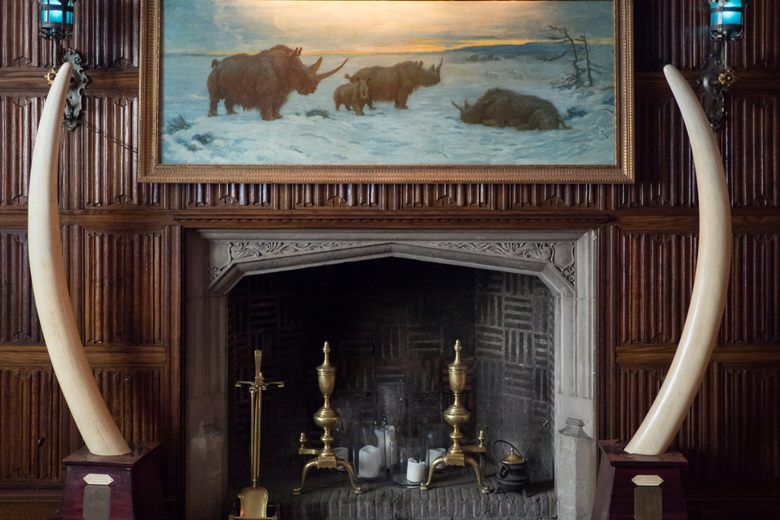
Another unique archive of artifacts in the city is The Treasures in the Trash Collection. Among the 13,000 books and 5,000 maps, the club preserves curiosities like a narwhal tusk, a set of rare double elephant tusks from the Congo, and a controversial yeti scalp.
Even the library holds a piece of dramatic history: a painting titled The Rescue of Greeley, completed just hours after the survivors were found in 1884. For those interested in culinary lore, ask about the mammoth tusk and the legendary club dinner held in 1951.
A similar focus on natural curiosities can be found at Woolly Mammoth Antiques and Oddities.
Before You Go
The headquarters is open to the public during standard operating hours, though those looking for a deeper dive should contact the club to schedule a group tour. If you visit between September and June, check the schedule for the regular lecture series held in the Clark Room, where modern-day pioneers continue the tradition of sharing their findings from the field.
Questions worth answering
What's the story with the building itself?
It's a 1910 Jacobean revival mansion on East 70th Street that once belonged to Stephen Clark. We've seen plenty of private residences, but few that have been converted into such a dense sanctuary for historical artifacts.
Can I just walk in to see the collection?
The doors are open during standard business hours for general visits. If you're looking for a more thorough walkthrough, we suggest reaching out to book a group tour in advance.
What kind of objects are kept inside?
The rooms hold everything from Thor Heyerdahl's navigation globe to a sled used during a 1909 North Pole trip. You'll also find a massive library of 13,000 books and various specimens like a narwhal tusk and a polar bear named Percy.
Is there a way to hear from actual explorers?
The Clark Room hosts a lecture series from September through June. It's our own editorial from there, but these sessions are where current pioneers discuss their recent field work.
More in Northeast
All Northeast places →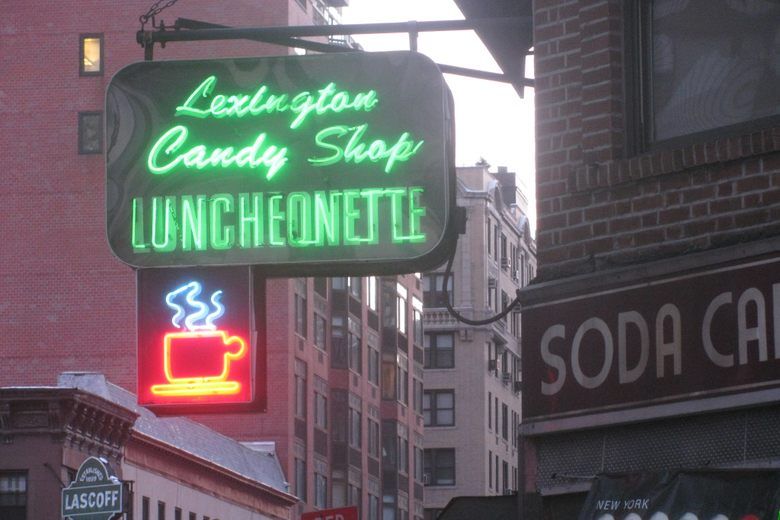
Lexington Candy Shop
New York, New York
This Upper East Side landmark hasn't changed its decor since 1948, making it the city's oldest family-operated luncheonette. It still uses vintage mixers and original urns to serve up authentic egg creams and malted shakes.
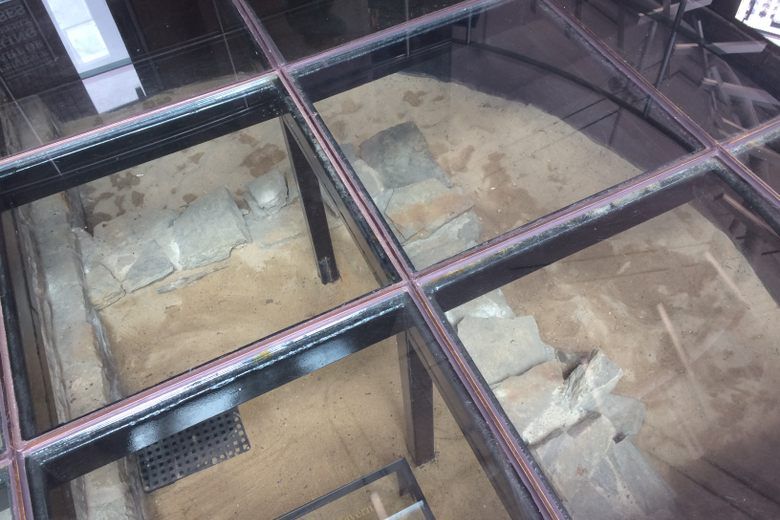
Preserved Remnants of 17th Century New York
New York, New York
Beneath the busy sidewalks of the Financial District, glass viewing portals reveal the stone foundations of the 17th-century Dutch colony that eventually became New York City.
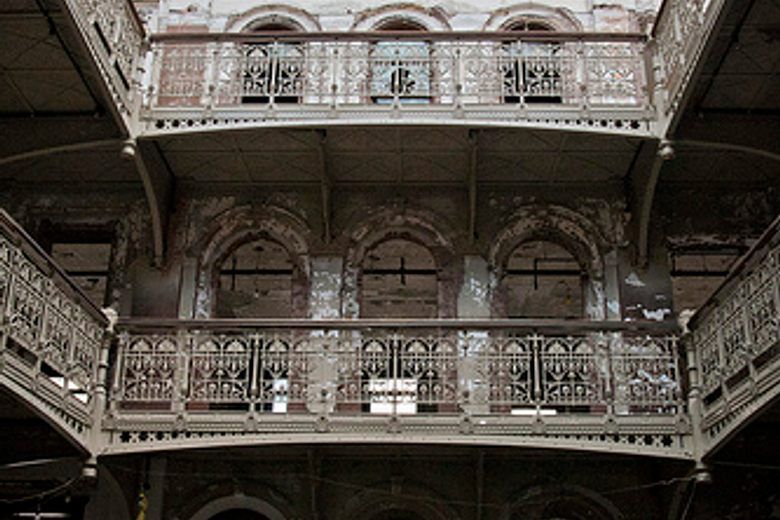
5 Beekman Street
New York, New York
This 1880s architectural gem features a nine-story atrium that was sealed behind walls for decades, perfectly preserving its intricate Victorian ironwork and skylight.