Subterranean Ohio Wonder
Crystal Cave: Descend Into the World's Largest Natural Geode
Put-in-Bay, Ohio, United States
By the Wicked Cool Places editors · Published · Updated
Why it’s cool
This isn't just a cave; it's the interior of a single, massive rock. As the largest geode ever discovered, it offers a rare chance to stand inside a crystal-lined 'vug' while visiting a historic island winery.
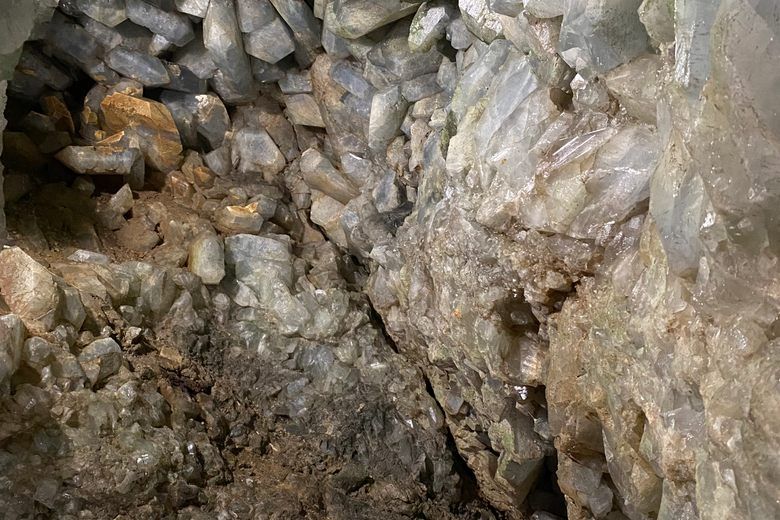
Deep beneath the surface of South Bass Island, a geological anomaly defies the standard definition of a cavern. While traditional caves are usually formed by the slow erosion of limestone, the Crystal Cave is a "vug", a massive, hollow pocket located entirely within one colossal rock.
This geological structure differs from the limestone formations found at Carlsbad Caverns. Stepping inside doesn't just feel like going underground; it feels like being swallowed by a piece of jewelry.
Why It Stands Out
The discovery of this subterranean treasure was an accident of industry. Other underground spaces discovered by chance include The Ramble Cave.
In 1887, workers digging a well for winery owner Gustav Heineman struck something much harder than soil. They had punctured the wall of what would eventually be recognized as the world’s largest known geode.
The walls of this chamber are studded with Celestine crystals, some of which reach lengths of three feet. These bluish-gray formations create a jagged, otherworldly landscape that once filled much more of the cavity.
In a strange twist of history, the cave is actually larger today because of the fireworks industry. During the early 20th century, many of the crystals were harvested to be processed into strontium nitrate, a chemical used to produce red flames in pyrotechnics.
While this mining removed some of the original splendor, it created enough space for humans to comfortably walk through the geode. Today, the cave remains a centerpiece of the Heineman Winery, and the most popular way to see it is as part of a combined tour that ends with a glass of local wine, allowing visitors to toast to the geological luck of the Heineman family.
Before You Go
The cave is located on Put-in-Bay and is accessible via the island's ferry services. Because the space is quite intimate, tours are brief, typically lasting around 15 minutes.
It is a seasonal attraction, operating from late spring through the end of September. Given its location at a working winery, it is an ideal stop for those looking to mix a bit of natural history with a tasting of Ohio-grown vintages.
Questions worth answering
How did anyone find this place?
Gustav Heineman's crew hit the rock wall in 1887 while they were digging a well. Our own editorial from there notes that this accidental discovery revealed a massive hollow pocket instead of just soil.
What is the best way to see the interior?
We suggest the combined tour that finishes with a glass of wine. You'll spend about 15 minutes underground looking at Celestine crystals that can grow three feet long.
When can we actually visit?
The site operates on a seasonal schedule from early May until September's end. You can head over any day of the week during those months via the local ferry.
Is this a typical cavern experience?
It isn't a limestone cave formed by erosion, but a single hollow rock known as a vug. It feels less like a traditional hike and more like standing inside a piece of jewelry.
More in Midwest
All Midwest places →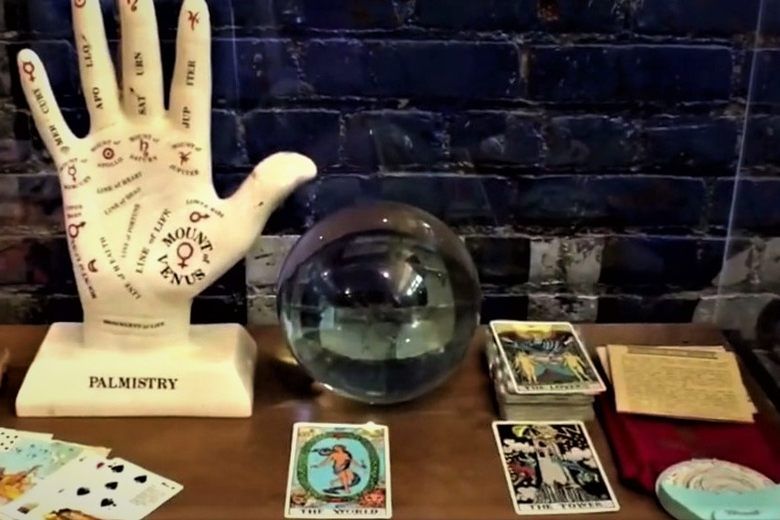
Buckland Museum of Witchcraft and Magick
Cleveland, Ohio
This specialized museum houses a deep collection of occult items and historical witchcraft tools, all curated from the personal archives of a prominent coven leader.
Market Street Catacombs
Indianapolis, Indiana
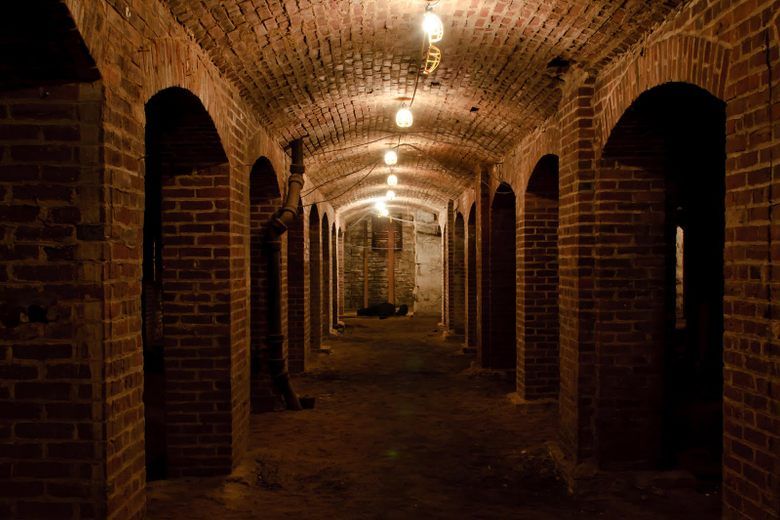
This massive 20,000-square-foot labyrinth of brick archways is one of the few remaining subterranean market networks in the United States, offering a rare glimpse into pre-refrigeration food logistics.
Myopic Books
Chicago, Illinois
This sprawling Chicago institution offers a dizzying array of used titles packed into a multi-story space, creating a literal dreamscape for anyone who loves the smell of old paper.