Downtown Los Angeles
Bradbury Building: The Ghostly Origins of an LA Icon
Los Angeles, California, United States
By the Wicked Cool Places editors · Published · Updated
Why it’s cool
This architectural gem was designed by a draftsman who only agreed to the project after his late brother sent an encouraging message through a planchette board.
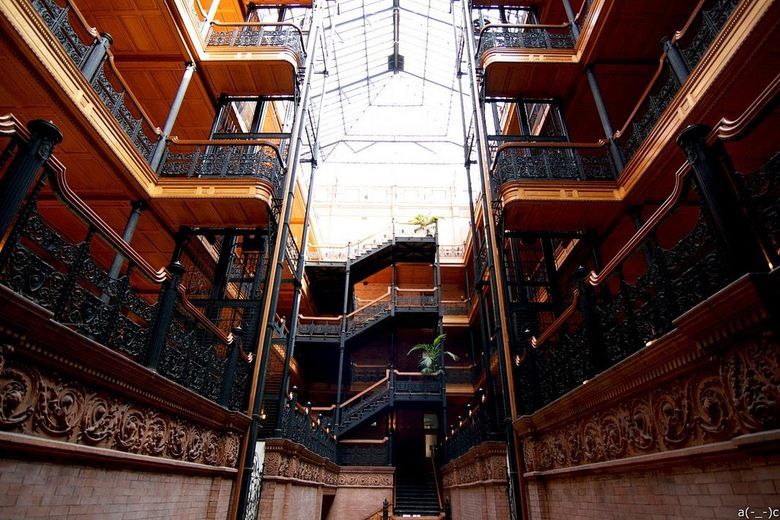
From the sidewalk, this downtown Los Angeles structure looks like a standard office block, but the interior reveals a breathtaking light-filled atrium that feels plucked from a dream. Commissioned by mining tycoon Lewis L.
Bradbury, the building’s creation is steeped in the supernatural. The original designer, George Wyman, was a mere draftsman who initially turned down the job.
He only changed his mind after a session with a planchette board, where he believed his deceased brother, Mark, urged him to take the commission to achieve lasting success. Another downtown landmark with a storied past is the Stay On Main Hotel. ## Why It Stands Out The design draws heavy inspiration from the utopian literature of Edward Bellamy, specifically the novel *Looking Backward*.
This influence manifested in a five-story central courtyard topped by a massive glass skylight that floods the space with natural light. The interior is a symphony of ornate wrought iron, featuring lacework balconies and vintage caged elevators that cast dramatic shadows across the brickwork.
Because of its haunting, futuristic atmosphere, the site has become a holy grail for science fiction fans. It served as a primary filming location for the neo-noir classic *Blade Runner* and has appeared in countless music videos, comic books, and television shows.
The Chemosphere is another local structure known for its cinematic and futuristic design. Interestingly, while many visitors assume the building was named for sci-fi legend Ray Bradbury, the name actually belongs to the developer; the connection to the author is a happy coincidence fueled by the building's ties to sci-fi publisher Forrest J.
Ackerman. ## Before You Go Visitors can typically enter the ground floor to view the lobby and the famous ironwork. While the upper floors are often reserved for private offices, the view from the base of the atrium provides a full perspective of the skylight and the mechanical elevators.
Look for the intricate details in the metal railings, which have influenced visual media for decades. For more examples of historic Los Angeles design, visit the Heritage Square Museum.
Questions worth answering
How did the design process actually start?
George Wyman took the job only after a planchette board session. He believed his late brother, Mark, sent a message from beyond to encourage the project.
Is there any truth to the Ray Bradbury connection?
The name actually comes from Lewis L. Bradbury, the mining tycoon who funded it. Any link to the famous science fiction author is just a coincidence involving publisher Forrest J. Ackerman.
What should we expect from the atmosphere inside?
The five-story courtyard is topped with a glass skylight that fills the space with sun. It feels like a scene from Edward Bellamy's utopian writing, specifically the book Looking Backward.
Can we explore the entire interior?
You can generally walk into the lobby to see the wrought iron and caged elevators. The higher levels usually house private offices, but the ground floor offers a clear view of the architecture.
More in West Coast
All West Coast places →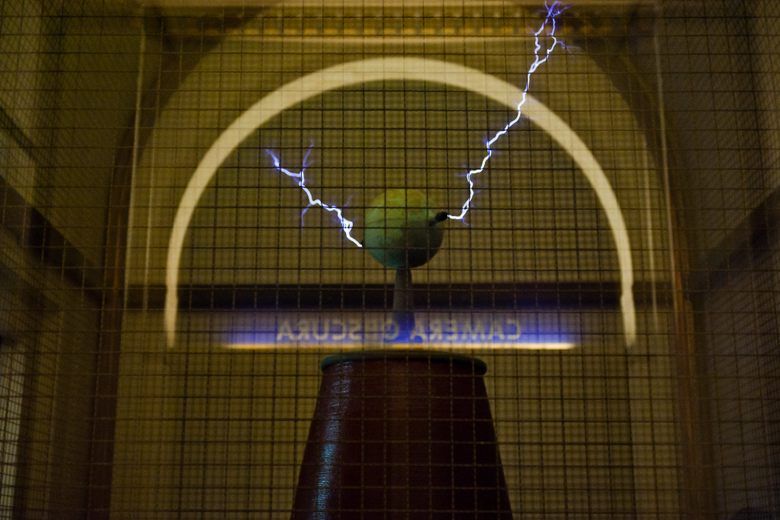
Griffith Observatory's Tesla Coil
Los Angeles, California
This historic 1937 apparatus transforms raw electricity into indoor lightning bolts. Once a tool for experimental medical theories, it now mesmerizes visitors with hourly high-voltage demonstrations.
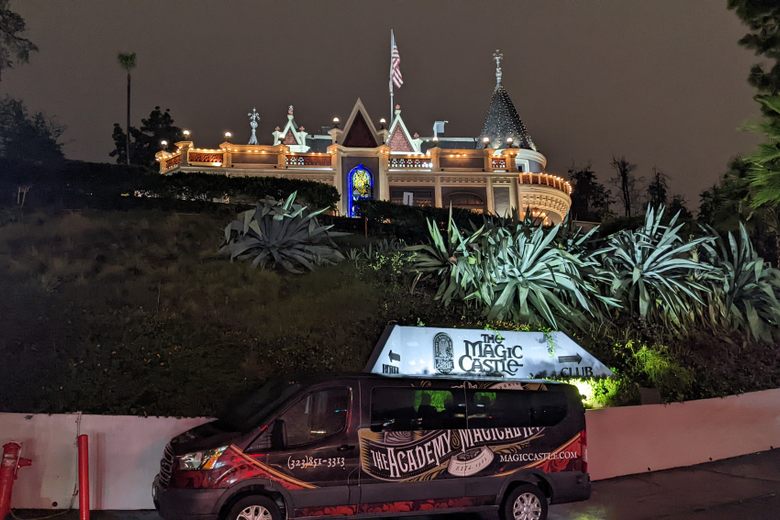
The Magic Castle
Los Angeles, California
This legendary private club serves as the global headquarters for illusionists, where secret passwords grant access to a mansion filled with ghost pianos and historic magic artifacts.
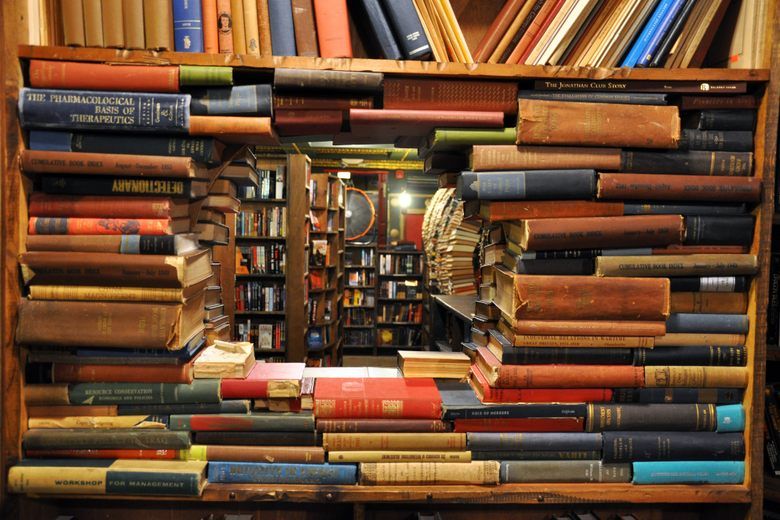
The Last Bookstore
Los Angeles, California
This massive downtown haunt transforms a historic bank into a labyrinth of literature, featuring book tunnels, secret vault rooms, and a massive collection of vintage titles.