San Francisco Bay Landmark
Alcatraz Island: Layers of History on San Francisco's Inescapable Rock
San Francisco, California, United States
By the Wicked Cool Places editors · Published · Updated
Why it’s cool
This legendary island functioned as a Civil War fortress and the West Coast's first lighthouse before becoming a high-security home for America's most notorious criminals.
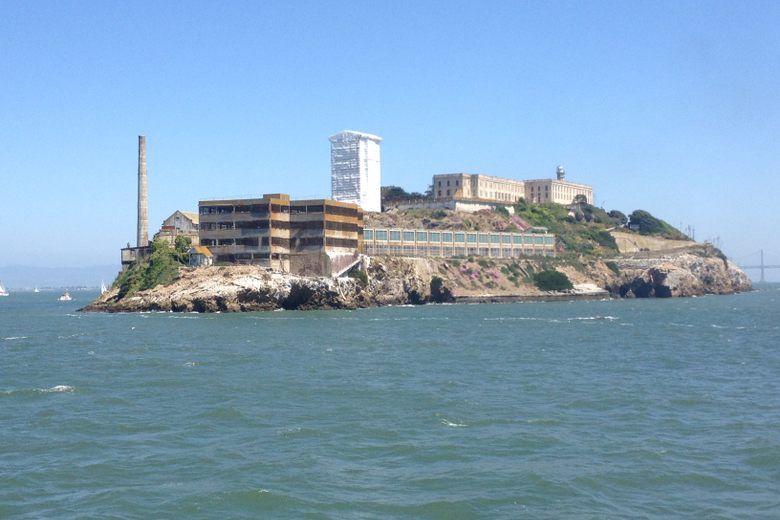
Long before it became synonymous with iron bars and cold currents, this landmass in the San Francisco Bay was known to Spanish explorers as "La Isla de los Alcatraces," or the Island of the Pelicans. While the world remembers it as a grim federal penitentiary, the island's history is a dense layer cake of American heritage, encompassing a Civil War-era defensive fort, the West Coast's inaugural lighthouse, and a significant site for the American Indian Red Power movement.
Why It Stands Out
The transition from a military stronghold to a federal prison in 1934 cemented its reputation as "The Rock." For nearly three decades, it held the nation's most notorious figures, including Al Capone and George "Machine Gun" Kelly. The facility was designed to be inescapable, utilizing the freezing, turbulent waters of the bay as a natural barrier.
Despite thirty-six inmates attempting to flee across fourteen separate incidents, the prison officially maintained a record of zero successful escapes. However, the 1962 disappearance of three men remains a point of historical debate, as their bodies were never recovered, fueling decades of speculation and cinematic retellings.
Beyond the cellblocks, the island serves as a vital bird sanctuary, reclaiming the purpose suggested by its original 18th-century name.
Before You Go
The prison ceased operations in 1963, largely due to the prohibitive costs of maintenance and the corrosive effects of salt spray on the infrastructure. Today, it is managed as a National Historic Landmark.
Another historic stone structure in the area is Albion Castle. Visitors should be prepared for steep walks and changing weather conditions.
Nearby, travelers can also explore the winding path of the 'Wood Line'. Access is provided via ferry, and because it is a protected historic site and sanctuary, certain areas may be restricted to protect nesting birds or preserve the deteriorating masonry.
Questions worth answering
What was the island used for before it became a federal prison?
The site originally served as a defensive fort during the Civil War. It also held the first lighthouse built on the West Coast.
Did anyone actually manage to escape from the cellblocks?
Official records show no successful breaks during its thirty years of operation. The 1962 disappearance of three inmates is the only case that people still argue about.
How should we prepare for a day on the grounds?
Wear shoes for steep paths and dress for shifting weather. You'll need to take a ferry to reach the landmark.
Is the entire island open for us to wander?
Some spots are off-limits to keep nesting birds safe or avoid crumbling masonry. We started with the Alcatraz Island site and built our own editorial from there.
More in West Coast
All West Coast places →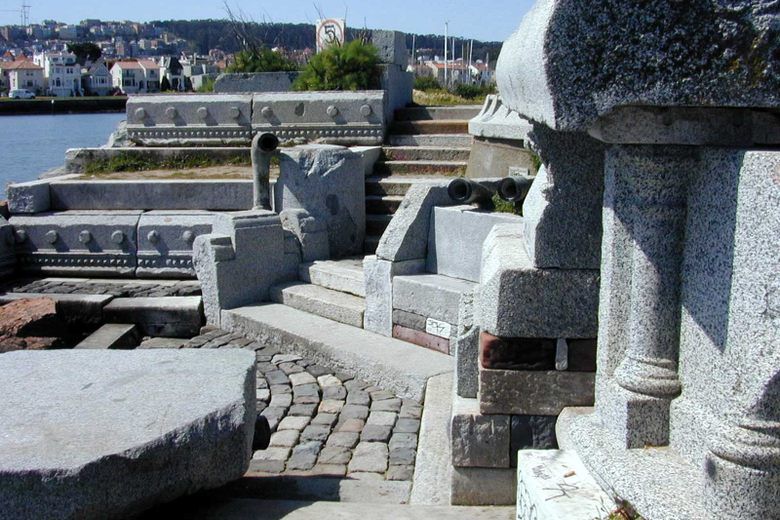
The Wave Organ
San Francisco, California
This sprawling jetty installation transforms the rhythm of the San Francisco Bay into a natural symphony, using a network of pipes and salvaged cemetery marble to amplify the ocean's voice.
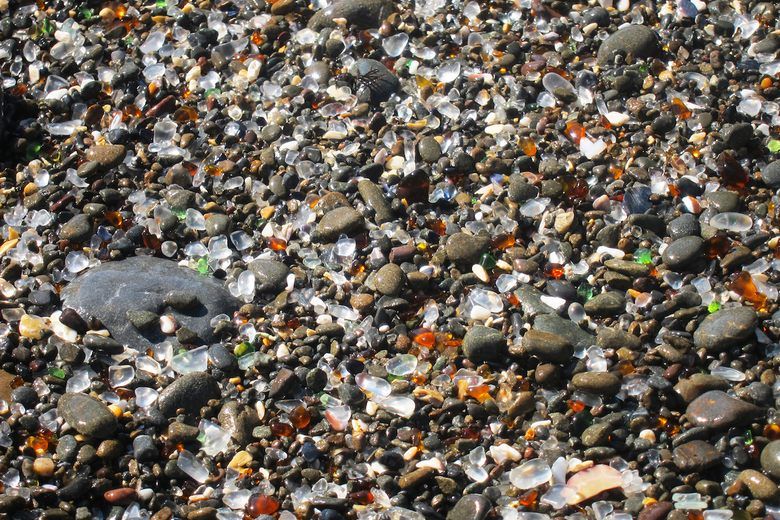
Glass Beach
Fort Bragg, California
This former municipal dump has been reclaimed by the sea, where decades of crashing waves have tumbled broken bottles into smooth, multicolored pebbles.
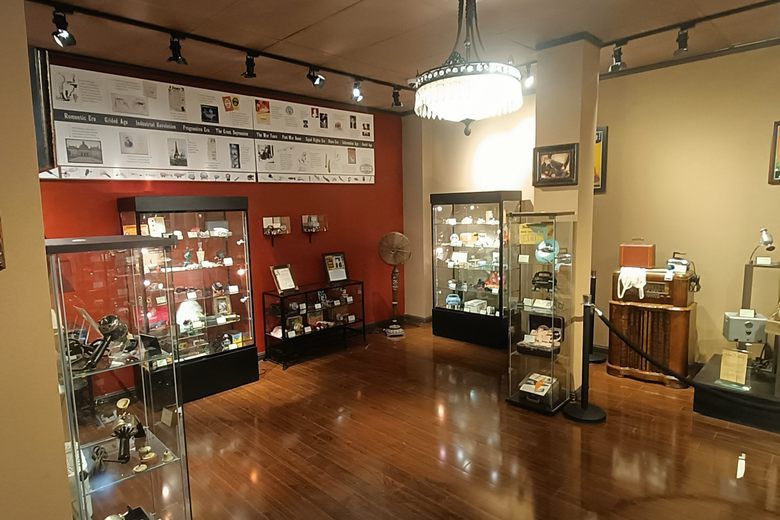
Good Vibrations Antique Vibrator Museum
San Francisco, California
This specialized collection tracks the mechanical evolution of the vibrator from a Victorian medical necessity to a stigmatized household appliance, showcasing how design shifted to hide its true purpose.