San Francisco, California
Albion Castle: San Francisco's Secret Medieval Brewery and Aquifer
San Francisco, California, United States
By the Wicked Cool Places editors · Published · Updated
Why it’s cool
A Norman-style stone tower rises above a hidden network of subterranean pools that still flow with fresh spring water, surviving decades of urban industrial shifts.
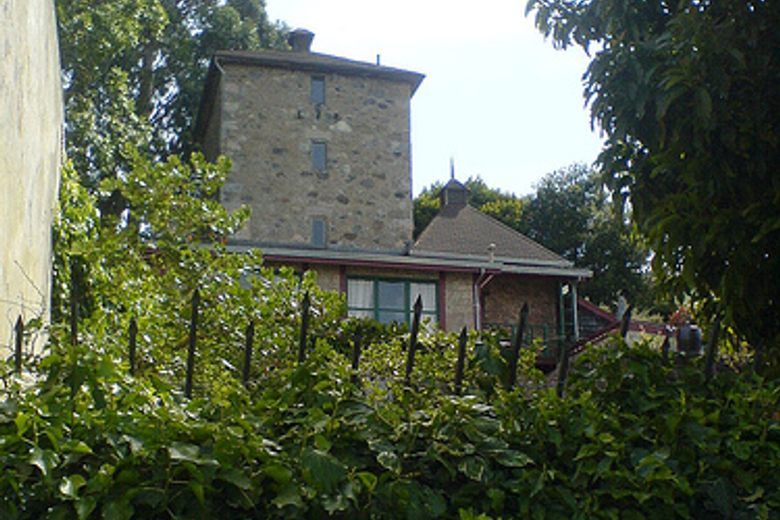
Hidden within the rugged terrain of Hunter's Point, a six-story stone fortress stands as a silent witness to San Francisco’s industrial evolution. This is Albion Castle, a Norman-style structure completed in 1870 by John Hamlin Burnell.
An immigrant from England, Burnell arrived with the ambition of fueling the city’s hundreds of saloons with porter and ale. While many competitors were already established, Burnell possessed a geological secret that gave his brewery a distinct edge: a massive, naturally occurring underground aquifer.
This aquifer is a unique geological feature on the West Coast.
Why It Stands Out
The architecture itself is a marvel of resourcefulness, constructed from heavy stones originally used as ballast on cargo vessels. Other local structures like The Wave Organ also utilize salvaged materials.
Burnell modeled the tower after the ancient fortifications of his homeland, creating a petite but imposing landmark on what was then the city's outskirts. The city is also home to the historic fortifications of Alcatraz Island.
However, the castle’s most impressive feature lies beneath the surface. Deep under the stone foundations, Burnell carved out two massive cisterns.
These 200-foot-long subterranean pools collect thousands of gallons of pure spring water every day, a resource that has remained remarkably clean for over a century. The property’s survival is as dramatic as its design.
When Prohibition shuttered the brewery in 1919, the site transitioned into a water bottling plant. Decades later, in 1961, the castle faced demolition to make way for a new highway.
It was spared only after advocates argued that the underground spring represented a vital asset for survival, specifically, a protected reservoir that would remain potable even after a nuclear disaster. Since then, the interiors have been refined with medieval-style woodwork by sculptor Adrian Voisin, and the property has served as an artist's retreat and a private residence.
Before You Go
Today, the castle is owned by a private investor and is generally closed to the public. While it is no longer a functioning brewery, the current management occasionally makes the space available for select private gatherings.
There are ongoing discussions regarding the revival of the historic water-bottling operation to tap back into the ancient spring that first inspired Burnell to build his stone sanctuary.
Questions worth answering
Can we walk in for a tour of the tower?
The castle is private property and doesn't offer public tours or visits. You'll only get inside if you're attending one of the rare private events held there.
What makes the water supply here so significant?
Two massive cisterns sitting deep below the foundation collect thousands of gallons of spring water daily. This aquifer is a geological rarity for the West Coast and stays clean enough to drink even now.
How did the building survive the city's expansion?
Demolition crews almost leveled the site for a highway in 1961. It was saved because the underground pools were considered a vital resource that could survive a nuclear disaster.
Where did the materials for the stone fortress come from?
John Hamlin Burnell used heavy stones that originally served as ballast on cargo ships. He finished the Norman-style tower in 1870 to house his brewing operations.
More in West Coast
All West Coast places →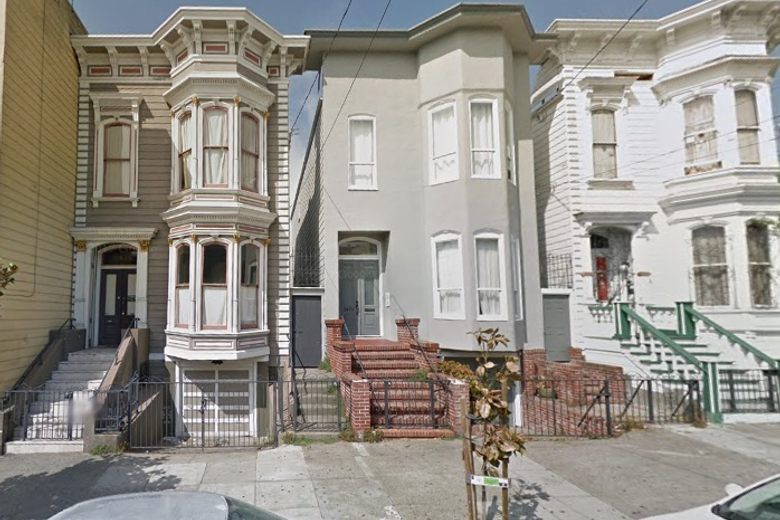
Institute of Illegal Images
San Francisco, California
This private Mission District gallery holds the world's largest collection of LSD blotter art, featuring thousands of chemically inactive sheets that have survived FBI inspections and federal trials.
Magowan's Infinite Mirror Maze
San Francisco, California
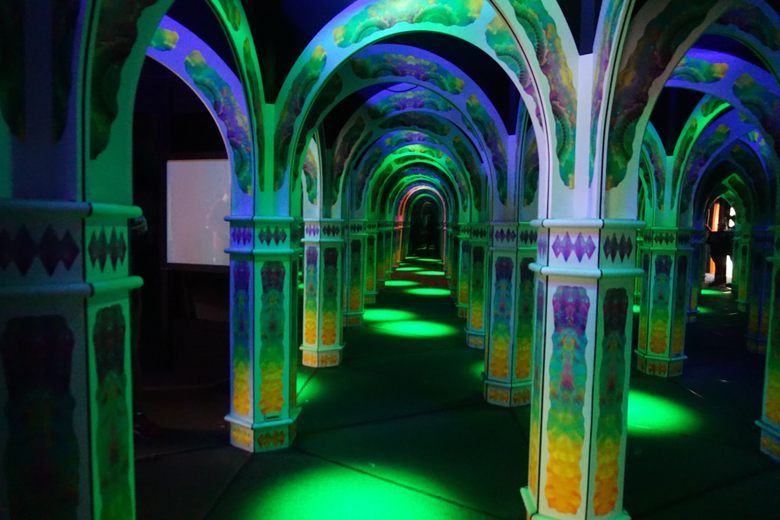
This neon-drenched labyrinth uses simple geometry to create a disorienting, psychedelic experience that feels like stepping into a 1990s rave.
The Winchester Mystery House
San Jose, California
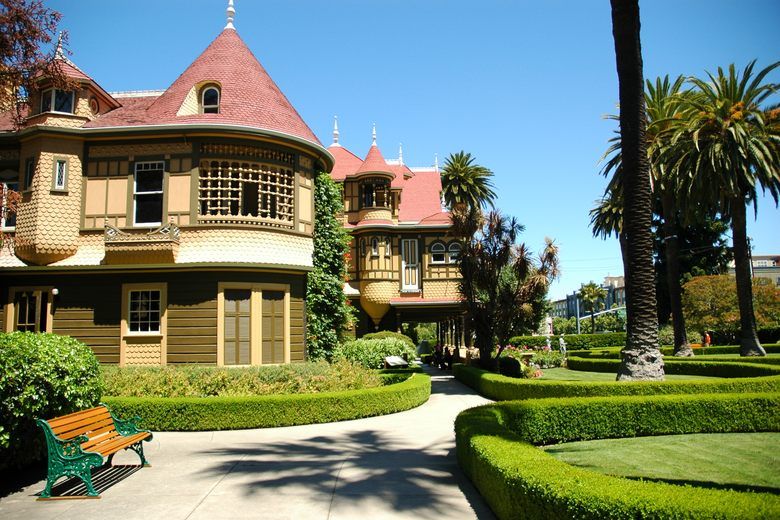
This massive Victorian estate was under constant construction for 36 years, resulting in a confusing floor plan of 160 rooms designed to baffle the supernatural.