Manhattan Architectural Landmark
5 Beekman Street: The Gilded Age Atrium Hidden in Plain Sight
New York, New York, United States
By the Wicked Cool Places editors · Published · Updated
Why it’s cool
This 1880s architectural gem features a nine-story atrium that was sealed behind walls for decades, perfectly preserving its intricate Victorian ironwork and skylight.
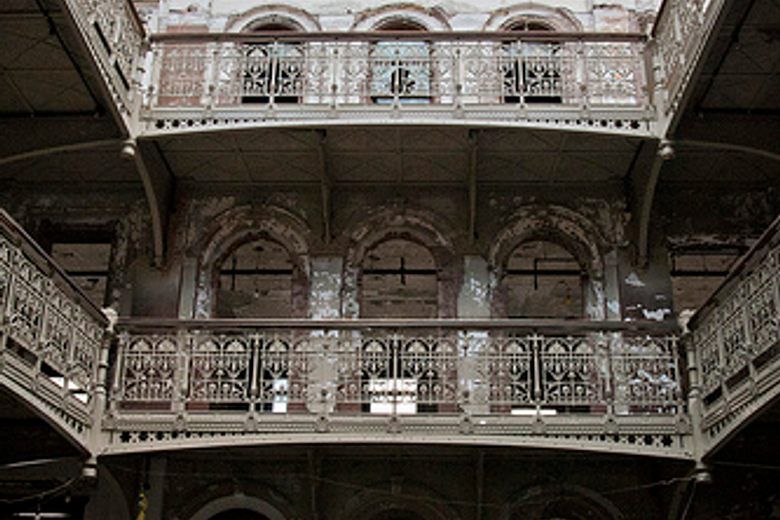
Standing in the shadow of modern skyscrapers near City Hall, this nine-story brick and terra-cotta structure spent decades as one of Manhattan's most beautiful secrets. For years, commuters passed its facade without realizing that a perfectly preserved Victorian masterpiece was gathering dust inside.
Once an abandoned relic of the Financial District, the building has recently been revived, allowing the public to finally step inside its legendary central void. The Trinity Place Bank Vault Bar is another historic space nearby that has been repurposed.
Why It Stands Out
Completed in 1882, 5 Beekman Street represents a pivotal moment in New York’s vertical evolution. It was only the third building in the city to feature an elevator, marking it as a pioneer among pre-skyscraper office spaces.
Its most breathtaking feature is a full-height atrium topped by a massive skylight, surrounded by tiers of ornate cast-iron railings and decorative ceilings. Ironically, the building's long period of neglect is exactly what saved its historic interior.
In 1940, strict fire code regulations forced owners to board up the atrium with wooden sheets. Because the central core remained walled off for over seventy years, the delicate ironwork and architectural flourishes were shielded from the renovations and modernization that stripped the character from most other 19th-century structures.
After a massive restoration that brought the building back to code, the atrium was finally unveiled, looking much as it did when it first opened during the Gilded Age.
Before You Go
While the building was once a silent shell, it transitioned into a high-end hotel in 2016. You do not need to be a guest to appreciate the craftsmanship; the lobby and the restaurants located within the ground floor are open to the public.
It is located just a block away from City Hall Park, making it an easy detour for anyone exploring Lower Manhattan. The historic Old City Hall Station is another nearby site of architectural interest.
Questions worth answering
Is it possible to see the interior without booking a room?
We don't believe in gatekeeping good architecture. You can walk right into the lobby or sit down at the restaurants on the ground floor without staying the night.
What makes this specific atrium worth a visit?
The nine-story void is lined with Victorian ironwork that hasn't changed since the 1880s. A massive skylight sits at the top, illuminating a space that was hidden behind wooden walls for seven decades.
How did the building survive the modernization of the Financial District?
Fire regulations in 1940 were actually a blessing in disguise. By sealing the central core to meet codes, the owners inadvertently protected the Gilded Age details from being gutted during later renovations.
How did this building contribute to the early development of New York skyscrapers?
Finished in 1882, it was the third structure in the city to include an elevator. This feature made it a pioneer for the vertical office spaces that eventually defined the Financial District.
More in Northeast
All Northeast places →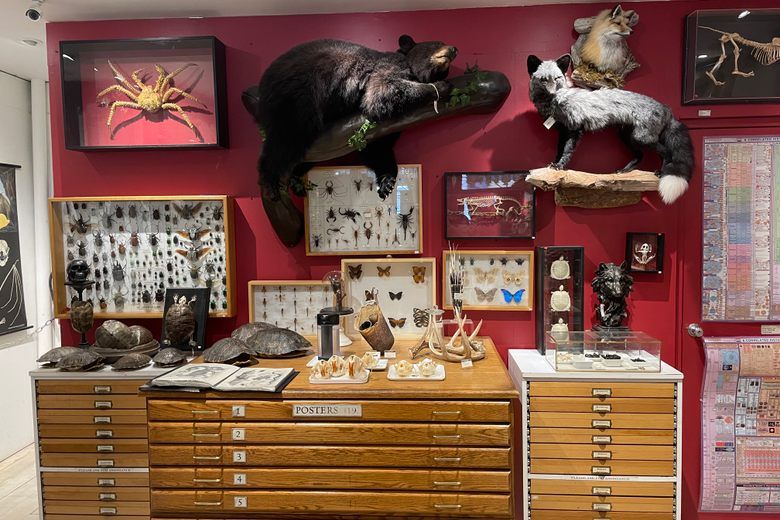
The Evolution Store
New York, New York
This meticulously curated shop functions like a private museum where you can actually buy the exhibits, offering everything from rare fossils to intricate skeletal displays.
Roosevelt Island Smallpox Hospital Ruins
New York, New York
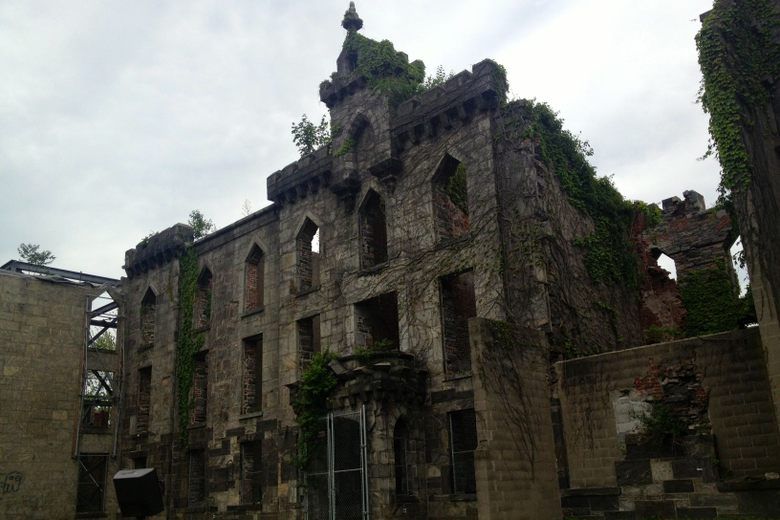
These skeletal Gothic remains represent a haunting chapter of medical history, preserved as a stabilized ruin on the southern tip of Roosevelt Island.
Tom's Restaurant
New York, New York
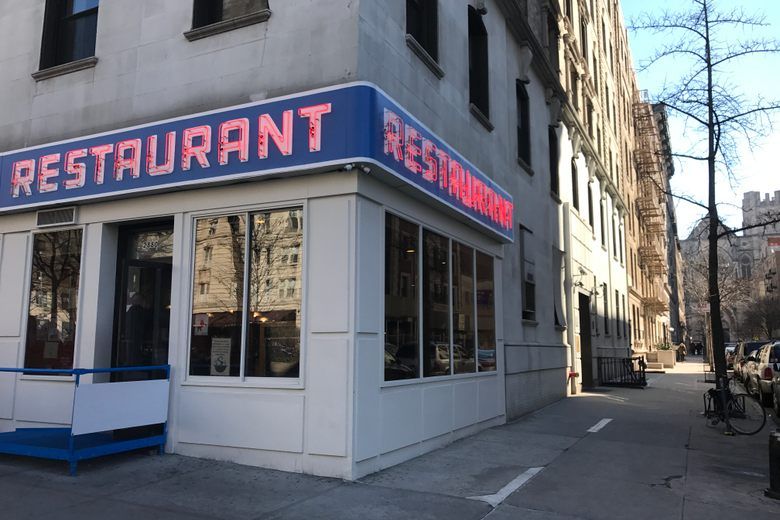
While the interior won't match the sitcom sets, the glowing neon exterior of this family-run diner is one of the most recognizable television landmarks in the world, having also inspired chart-topping music and local lore.