Manhattan Archaeological Sites
17th-Century New York Remnants: A Glass Portal to the Past
New York, New York, United States
By the Wicked Cool Places editors · Published · Updated
Why it’s cool
Beneath the busy sidewalks of the Financial District, glass viewing portals reveal the stone foundations of the 17th-century Dutch colony that eventually became New York City.
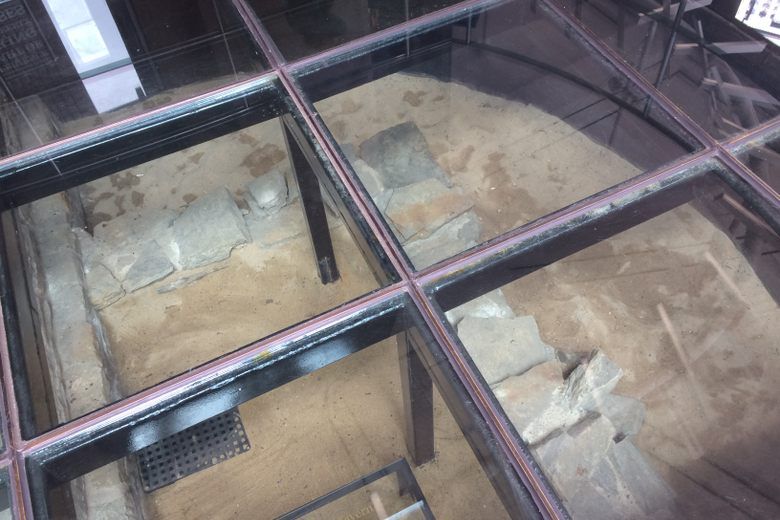
Standing at the intersection of Pearl and Broad Streets, most commuters are unaware that a few inches of glass are all that separate them from the 1600s. In the heart of the Financial District, digital maps often mark a curiously named "Portal Down to Old New York." This isn't a science fiction anomaly but a series of viewing windows embedded in the pavement of a modern pedestrian plaza.
While the surrounding skyscrapers reach for the clouds, these glass panels look downward, offering a rare glimpse into the subterranean layers of Manhattan’s colonial history.
Why It Stands Out
The site preserves the physical footprints of New Amsterdam, the 17th-century Dutch settlement that preceded the modern metropolis. During an archaeological investigation in 1975, excavators uncovered stone foundations that had been buried for centuries.
The most significant find was the Stadt Huys, or City Hall, which dates back to 1642. The Old City Hall Station is another underground site related to the city's civic history.
At that time, the northern edge of the city was only a few blocks away from this very spot. Just a short distance from the municipal ruins lie the remnants of the Lovelace Tavern.
Established around 1670, this establishment was once owned by Colonel Francis Lovelace, who served as the governor of the developing colony. These structural fragments were unearthed during the construction phase of the 85 Broad Street office tower.
Nearby, the Trinity Place Bank Vault Bar also repurposes historic subterranean architecture. Beyond the masonry, the excavation yielded a massive collection of everyday objects, including Dutch tobacco pipes, over 11,000 shards of glass, and approximately 23,000 pieces of pottery, painting a vivid picture of life in the fledgling port town.
Before You Go
You can find these glass-covered portals in the plaza surrounding 85 Broad Street, specifically near the corner where Pearl and Broad Streets meet. The site is located directly across from the historic Fraunces Tavern.
Because the ruins are set into the sidewalk, they are accessible at any time of day, though they are best viewed in daylight to avoid glare on the glass.
Questions worth answering
What exactly am I looking for on the sidewalk?
You'll find glass panels set into the ground that act as windows to the 1600s. These portals reveal stone foundations from the original Dutch settlement of New Amsterdam.
Which specific buildings are visible through the glass?
The most notable ruins belong to the 1642 Stadt Huys and the Lovelace Tavern. The tavern was built around 1670 and belonged to a former governor of the colony.
When is the best time to stop by the plaza?
The site stays open all night since it's part of a public walkway. We suggest visiting when the sun is up to minimize reflections on the glass surfaces.
What kind of artifacts did archaeologists find during the excavation?
The dig at 85 Broad Street turned up thousands of everyday items from the Dutch colony. We know they found over 11,000 glass shards, 23,000 pottery pieces, and a large collection of tobacco pipes.
More in Northeast
All Northeast places →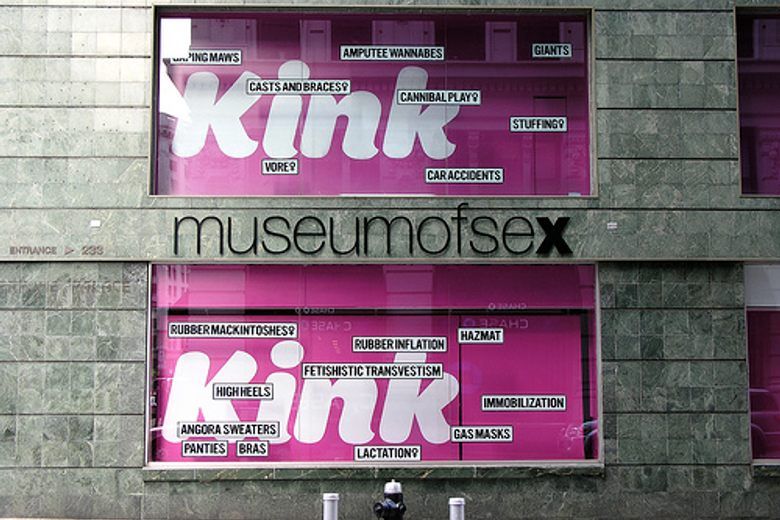
Museum of Sex
New York, New York
This institution bridges the gap between high-brow academia and carnal curiosity, housing a massive collection of 15,000 artifacts that explore the evolution of human intimacy.
Old City Hall Station
New York, New York
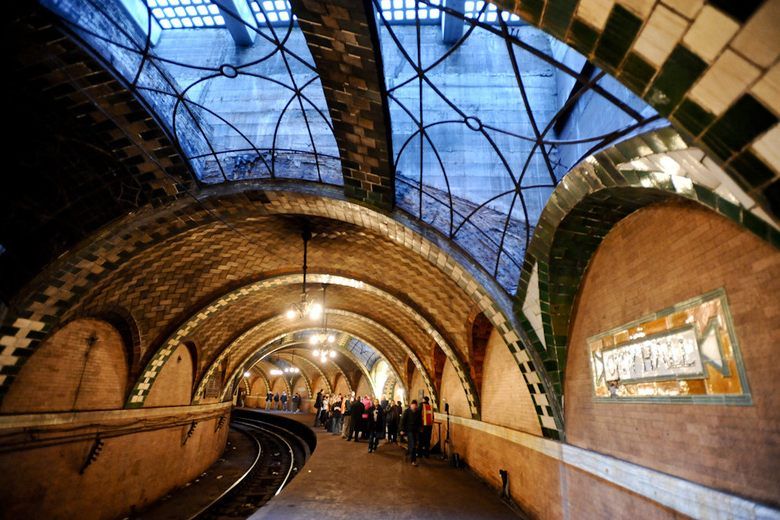
This decommissioned 1904 transit hub is a masterclass in subterranean elegance, featuring intricate Guastavino vaulted ceilings and brass chandeliers hidden beneath the busy streets of Lower Manhattan.
MoMath - The Museum of Mathematics
New York, New York
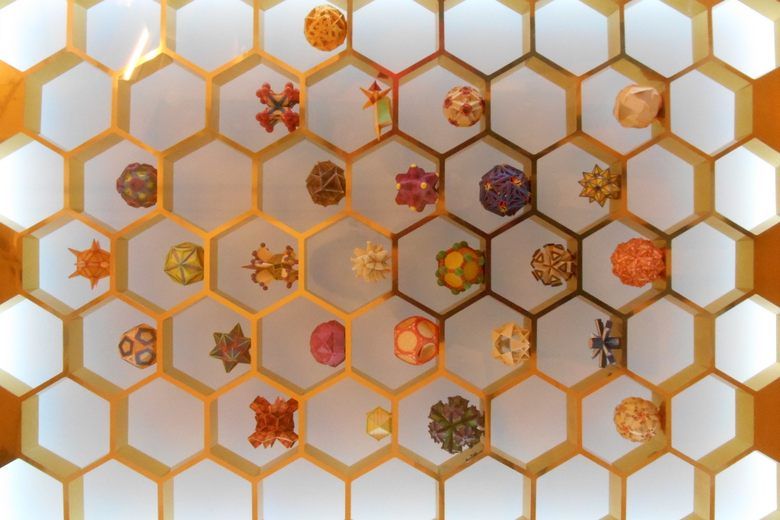
This interactive playground turns abstract equations into tangible wonders, featuring everything from square-wheeled bicycles to immersive fractal displays that respond to your every move.